

Supplements for Arthritis: What the Evidence Actually Says
Alastair Greenway
BVM&S MRCVS
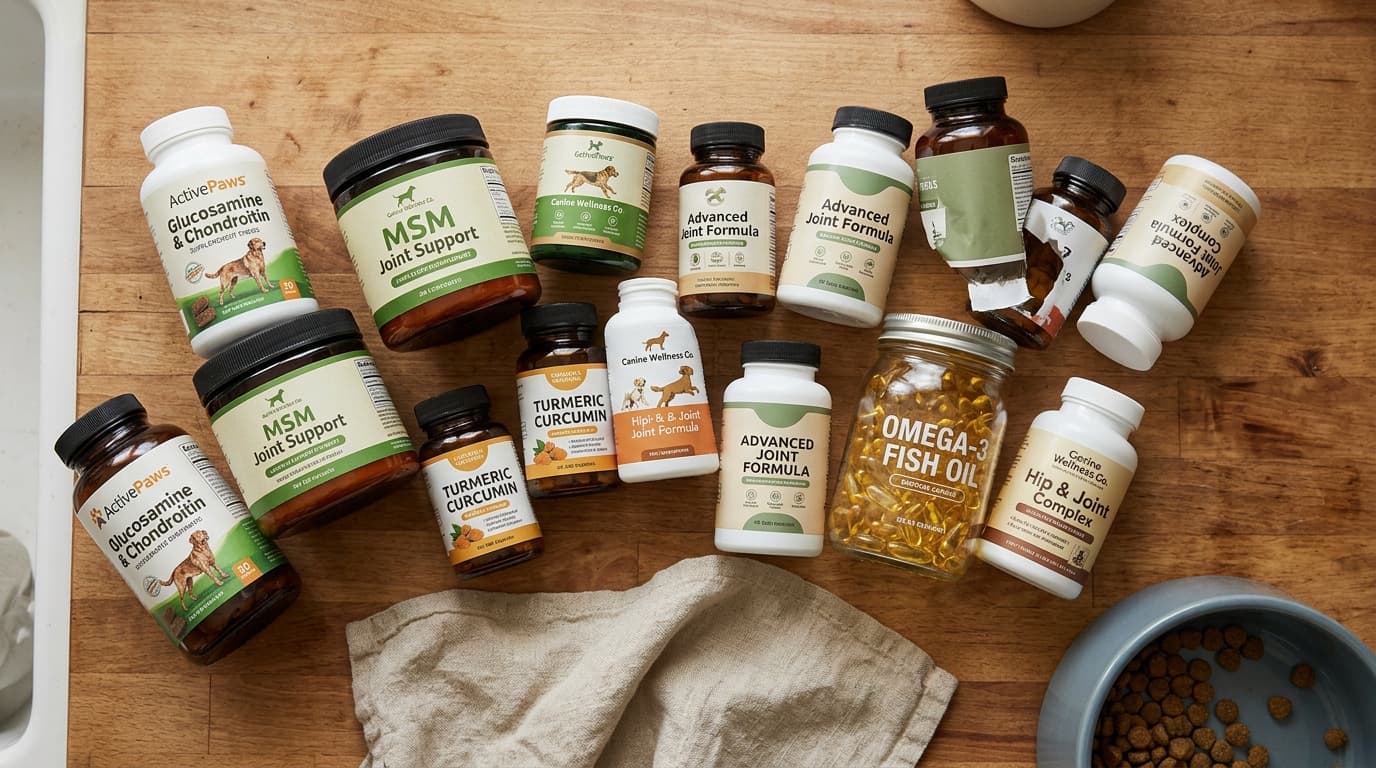
Walk into any pet shop in the UK and you'll find a wall of joint supplements. Glucosamine. Chondroitin. MSM. Green-lipped mussel. Turmeric. Collagen. CBD. Every one carries a confident label suggesting it will transform your arthritic dog's life. The marketing is sophisticated, the packaging is reassuring, and the prices run from modest to eye-watering.
The truth is more complicated. A few of these supplements have genuinely good evidence behind them. Others have weaker evidence than the marketing suggests. And a fair number are essentially expensive placebos for the dog and a feel-good purchase for the worried owner. The hard part, as a pet owner, is working out which is which when the entire industry is incentivised to convince you that everything works.
I want to give you a clear-eyed, evidence-based look at the most commonly used arthritis supplements. For each one, I'll cover what it claims to do, what the research actually shows, what dose is typically used, what to look for in a quality product, and whether I think it's worth your money. Some of these conclusions may surprise you. They may also save you money you've been spending on products that aren't doing much.
One thing before we start: supplements are not a replacement for proper veterinary diagnosis and treatment of arthritis. If your dog has been diagnosed with arthritis, the foundations of management are pain control, weight management, exercise modification, and environmental adaptation. Supplements can have a useful supporting role, but they don't replace the basics. Don't try to treat diagnosed arthritis with supplements alone.
How to weigh the evidence

Supplements are sold in a regulatory grey area in the UK. They're not licensed medications, so they don't have to demonstrate safety and efficacy to the same standard as pharmaceutical drugs. The result is a market full of products making confident claims based on varying degrees of evidence, from rigorous double-blind randomised controlled trials to "a study sponsored by the manufacturer of this product showed our product is great."
A few things to bear in mind when you're weighing up supplement evidence:
The placebo effect in animals is significant, but it's the owner's placebo effect we're really seeing. If you've started a new supplement and you're hopeful it will help, you'll notice every good moment and discount the bad ones. The dog hasn't changed, your perception has. This is why proper studies use blinded protocols and objective measures.
Industry-funded studies need to be read carefully. They're not automatically untrustworthy, but the design and outcome measures matter. A supplement company doing a small open-label trial of their own product is not the same as an independent randomised controlled trial.
"Has been shown to" is a phrase that can mean many things. Genuine evidence ranges from systematic reviews of multiple trials (strongest) to single small studies with subjective outcomes (much weaker). When you see a claim, ask: what's the actual research, and how strong is it?
Mechanism doesn't equal effect. A supplement may have a plausible biological mechanism for helping arthritis, but that doesn't mean it actually helps when given orally to dogs. Lots of things make sense in theory and don't work in practice.
With that framing in mind, let's go through the major supplements.
Omega-3 fatty acids (fish oil)
The evidence: Strong
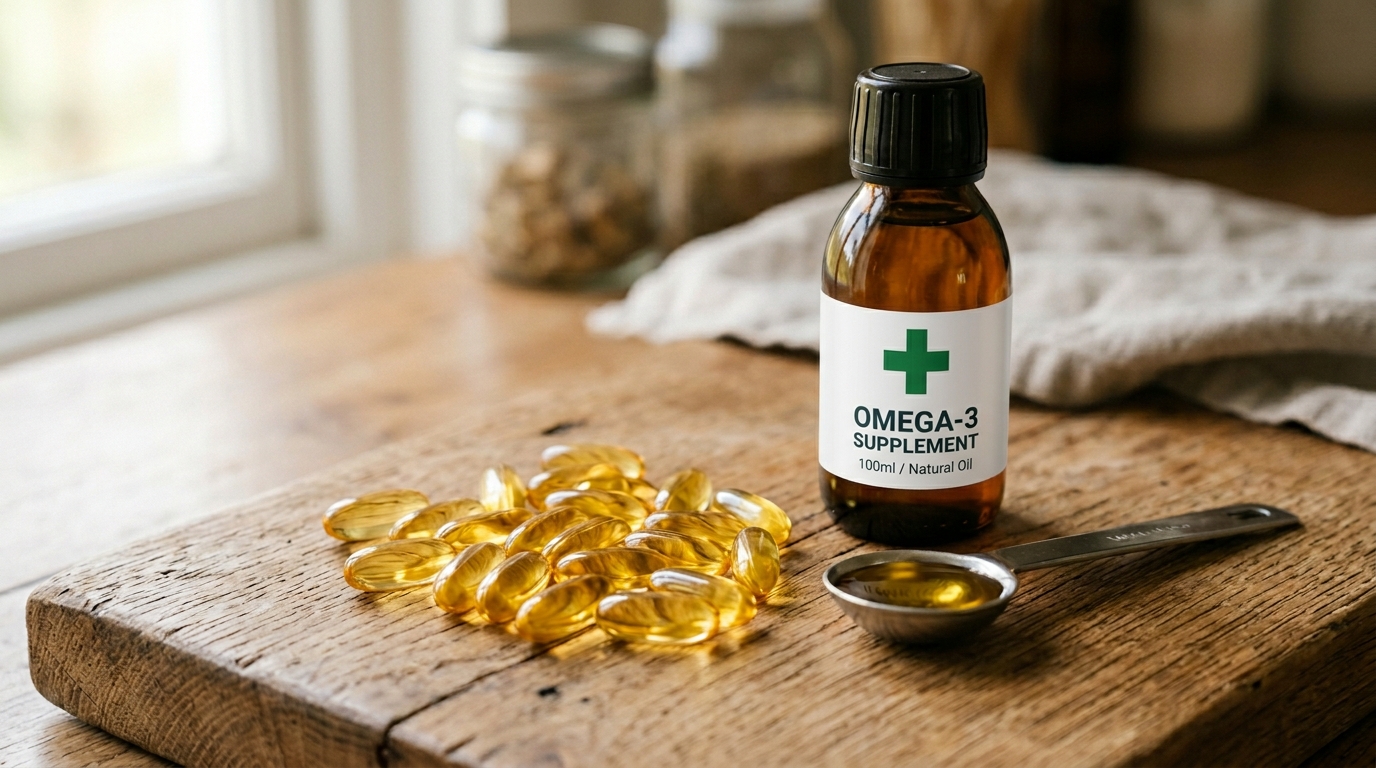
Omega-3 fatty acids have the best evidence base of any joint supplement for arthritis in dogs. Multiple randomised controlled trials and reviews support their use. The 2024 review by Pye et al. in the Journal of Small Animal Practice, looking at non-pharmaceutical, non-surgical treatments of canine osteoarthritis, concluded that omega-3 enriched diets and supplements can provide clinical pain relief for arthritic dogs.
How they work: Omega-3 fatty acids (specifically EPA and DHA, which are long-chain omega-3s) are incorporated into cell membranes and shift the body's inflammatory chemistry toward less inflammatory pathways. The effect is genuine biochemical anti-inflammation, not just symptom masking.
Realistic expectations: Omega-3s aren't going to replace your dog's NSAID. They produce modest but real improvements in pain and mobility when used at therapeutic doses. In some dogs the effect is quite noticeable. In others it's subtle. As an adjunct to other treatment, they have a solid place.
What to look for in a product:
- The product should specify the EPA and DHA content, not just "fish oil" or "omega-3 content"
- Therapeutic doses for arthritis are around 50-100mg of combined EPA+DHA per kg of body weight per day. That's substantially higher than the doses in many commercial joint supplements
- For a 25kg dog, you'd be looking at 1,250-2,500mg of combined EPA+DHA daily
- Liquid fish oils are often easier to dose precisely than capsules
- Quality matters. Look for products that are tested for heavy metals and oxidation
- Some prescription joint diets contain therapeutic doses of omega-3s built in. These can be more convenient than separate supplementation
Cost: Quality fish oil for a medium-sized dog at therapeutic doses costs approximately £15-25 per month. Cheap fish oil at insufficient doses is essentially money wasted.
Side effects: Generally well tolerated. Some dogs get loose stools when first starting, which usually settles within a week. At very high doses, fish oils can affect blood clotting and immune function, but this is not a concern at the doses used for arthritis.
My verdict: This is one of the few supplements I genuinely recommend for arthritic dogs. The evidence is strong, the cost is reasonable, the side effects are minimal, and the effect is real. If your dog is on only one supplement, this is the one to choose.
Glucosamine and chondroitin
The evidence: Mixed to weak
This is going to be a controversial section, because glucosamine and chondroitin are by far the most commonly recommended joint supplements and have been for decades. The evidence behind them is weaker than most people realise.
How they're supposed to work: Glucosamine and chondroitin are components of cartilage. The theory is that supplementing them provides building blocks for cartilage repair and may reduce inflammation in the joint. In humans, there has been some positive evidence in osteoarthritis trials.
The reality in dogs: When we look at the actual research in dogs, the picture is far less convincing.
A 2017 review of glucosamine and chondroitin in canine osteoarthritis (Bhathal et al., Open Veterinary Journal) concluded that the available evidence is difficult to interpret due to enormous variation in products, doses, and study designs. They couldn't conclude strong evidence of benefit.
A 2022 systematic review and meta-analysis by Barbeau-Grégoire and colleagues concluded bluntly that chondroitin-glucosamine nutraceuticals should no longer be recommended for pain management in canine and feline osteoarthritis.
The 2024 Pye et al. review in JSAP came to broadly the same conclusion: that the evidence for chondroitin and glucosamine in canine osteoarthritis pain is weak, while the omega-3 evidence is much stronger.
None of this means glucosamine and chondroitin do nothing. Individual dogs may respond. The combination is generally safe. But the strong evidence of efficacy that everyone seems to assume exists actually doesn't.
The complicating factor: Many studies use products that combine glucosamine and chondroitin with other ingredients (manganese, green-lipped mussel, omega-3 fatty acids, etc.). When a positive effect is seen, it's hard to know whether it's from the glucosamine/chondroitin or from the other ingredients. Green-lipped mussel, for example, contains glycosaminoglycans (including glucosamine and chondroitin precursors) along with omega-3 fatty acids and other compounds. Studies of green-lipped mussel may show benefit, but attributing it to the glucosamine specifically is not justified.
What to look for if you do try it:
- Products combining glucosamine, chondroitin, and manganese have slightly better evidence than glucosamine alone
- Typical doses are 500-1500mg of glucosamine per day for medium-sized dogs
- Give it at least 6-8 weeks to assess any effect
- Be candid in your assessment. If you can't see a clear improvement, it's probably not working
Cost: Glucosamine/chondroitin products range from £10-40 per month depending on brand and dose. The premium brands aren't necessarily better than the budget ones.
Side effects: Generally very safe. Occasional gastrointestinal upset. Diabetic dogs should be monitored as glucosamine theoretically might affect blood sugar (though clinical evidence of this is weak).
My verdict: I no longer routinely recommend glucosamine and chondroitin as first-line supplements for arthritis. They're not dangerous, and some dogs may benefit, but the evidence doesn't support them as reliably effective. If you want to spend money on a single supplement, omega-3 fatty acids have much better evidence. If you're already using glucosamine/chondroitin and feel your dog is doing well on it, there's no urgent reason to stop, but don't assume you must keep using it forever.
Green-lipped mussel (Perna canaliculus)
The evidence: Moderate
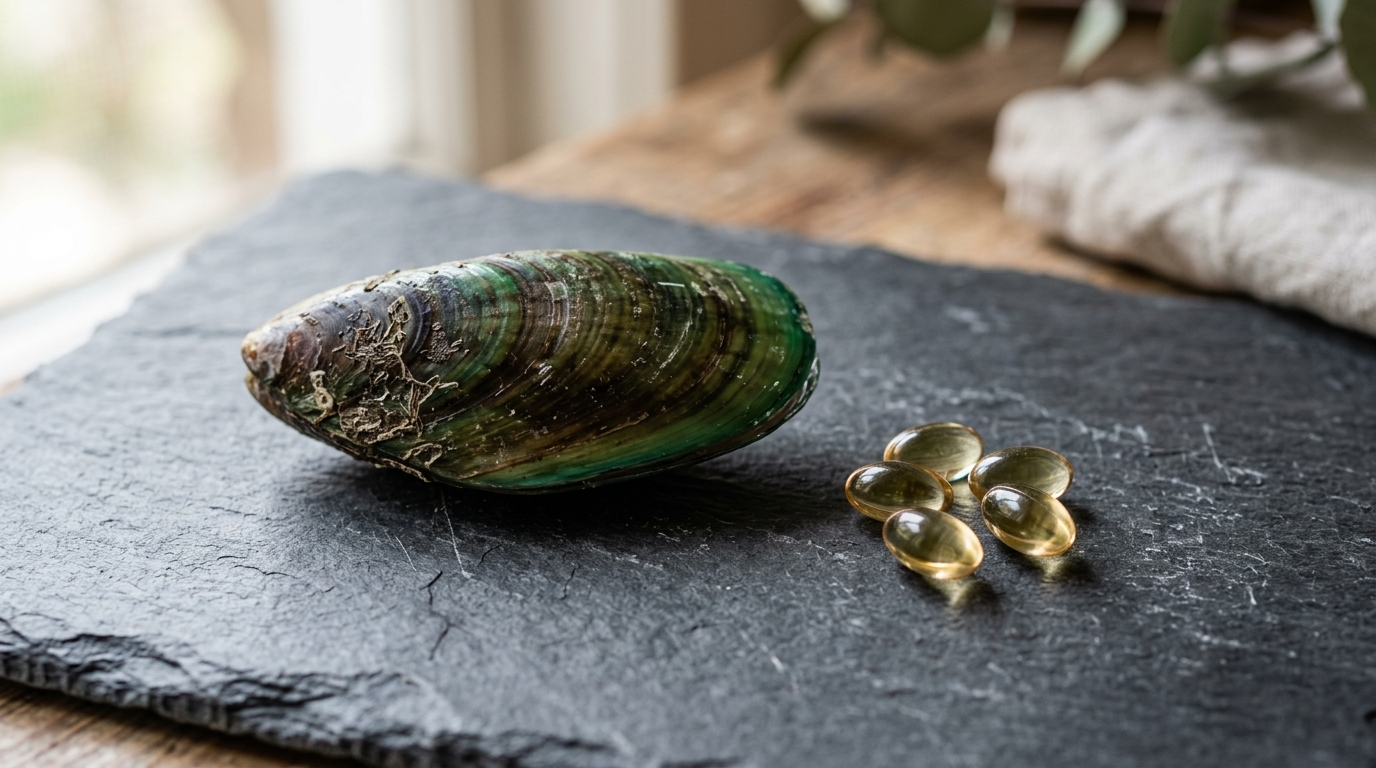
Green-lipped mussel extract is derived from a shellfish native to New Zealand. It contains a complex mix of nutrients including glycosaminoglycans, omega-3 fatty acids (including a rarer one called eicosatetraenoic acid or ETA), and various other compounds.
The evidence: Several studies have shown benefit in dogs with osteoarthritis. The Pye 2024 review described it as showing promising results, though noted that further studies were needed. A 2024 trial led by Kampa and colleagues, of a specific green-lipped mussel plus krill oil extract called EAB-277, showed effects statistically comparable to meloxicam (a standard veterinary NSAID) over six weeks, which is genuinely impressive if replicated.
The complication, as discussed above, is that green-lipped mussel contains so many active components that it's hard to attribute effect to any single mechanism. It also contains omega-3 fatty acids, so some of the benefit may simply be the omega-3 effect.
Realistic expectations: Green-lipped mussel appears to provide modest but real benefit in many dogs with arthritis. It works through multiple mechanisms (anti-inflammatory, joint nutrition, possibly cartilage support). Effect may take 4-8 weeks to become apparent.
What to look for:
- Look for products that specify the extract source and concentration
- Some products use whole mussel powder; others use specific extracts (like the EAB-277 mentioned in research)
- Products combining green-lipped mussel with other ingredients (omega-3, curcumin) may have additive effects, though this complicates evaluation
Cost: Variable. £15-40 per month for a medium-sized dog depending on product quality and dose.
Side effects: Generally well tolerated. Some dogs with shellfish sensitivities may react.
My verdict: Green-lipped mussel is one of the supplements I'm more positive about. The evidence is genuinely promising, the safety profile is good, and the multi-component nature may explain why it works even when individual ingredients don't show effect on their own. Worth considering, particularly in combination with omega-3 supplementation or as part of a complete joint product.
Turmeric and curcumin
The evidence: Weak in dogs
Turmeric, and specifically its active compound curcumin, has become hugely popular as an anti-inflammatory supplement. The research in humans is mixed but suggests modest benefit in some inflammatory conditions.
The reality in dogs: The veterinary evidence is much thinner. There are some small studies suggesting possible benefit in canine osteoarthritis, often as part of multi-ingredient supplements. The 2017 Comblain et al. study showed some benefit from a curcuminoid extract combined with hydrolysed collagen and green tea. But high-quality independent trials of curcumin alone in dogs with arthritis are largely lacking.
The bioavailability problem: Curcumin is famously difficult for the body to absorb. Plain turmeric powder mostly passes through without being absorbed. Specialised formulations (with piperine, in liposomes, or as specific extracts like Meriva) have better bioavailability, but products marketed as "turmeric for dogs" vary enormously in quality and absorption.
Realistic expectations: If it works at all in dogs with arthritis, the effect is likely modest. Plain turmeric is probably not very useful. Specific bioavailable formulations may help some dogs.
What to look for:
- Avoid plain turmeric powder products
- Look for specific extracts or formulations designed for bioavailability
- Consider products that combine curcumin with other evidence-based ingredients
Cost: £10-30 per month depending on product.
Side effects: At supplement doses, generally safe. Can interact with certain medications (some blood thinners). Large doses may cause gastrointestinal upset.
My verdict: Not a priority supplement based on current evidence. If you want to try it, pick a bioavailable formulation. Don't expect dramatic effects.
Undenatured Type II Collagen (UC-II)
The evidence: Moderate, emerging
UC-II is a specific type of undenatured collagen derived from chicken sternum cartilage. It works through a different mechanism from most joint supplements: rather than being a building block for cartilage, it appears to modulate the immune response in the gut, reducing inflammatory responses against cartilage proteins.
The evidence: Several studies in dogs have shown improvements in mobility and pain scores with UC-II, including comparison studies against glucosamine/chondroitin where UC-II performed better. The studies are mostly small but the results have been reasonably consistent.
Realistic expectations: Modest improvements in arthritis signs over weeks to months. May work for dogs who haven't responded well to glucosamine/chondroitin.
What to look for:
- The product should specify undenatured Type II collagen
- Typical dose is 40mg of UC-II daily for medium-sized dogs
- This is one of the lower-volume supplements (often a single small chew or capsule daily)
Cost: £20-40 per month.
Side effects: Very few reported. Generally well tolerated.
My verdict: Reasonable evidence for a relatively newer supplement. Worth considering, particularly for dogs who haven't responded to glucosamine/chondroitin. Not a dramatic effect drug, but a worthwhile adjunct.
CBD (cannabidiol)
The evidence: Emerging, but legally complicated in the UK
CBD products have become enormously popular for both humans and pets in recent years. The evidence base in dogs is starting to emerge but remains thin.
The evidence: Several studies in dogs with osteoarthritis have looked at CBD. The most-cited early positive study is Gamble et al. 2018, which showed improvements in pain and mobility in osteoarthritic dogs. A more cautious follow-up by Mejia, McGrath and colleagues in 2021 found no significant difference between CBD and placebo on objective measures. The effect, if it exists, appears modest, and dose-finding remains an active area of research.
The legal complication in the UK: This is important. The Veterinary Medicines Directorate has been clear that CBD products for animals require a veterinary marketing authorisation, which currently doesn't exist for any product. CBD products marketed for use in pets are technically not legally compliant. Veterinary surgeons can prescribe human CBD products to animals under the cascade prescribing system, but only in specific clinical circumstances and not for general supplementation. The result is that the UK CBD pet supplement market is essentially operating outside the regulatory framework, and the quality and consistency of products is highly variable.
Realistic expectations: If properly used (at the right dose, from a quality source), CBD may provide modest benefit for chronic pain in dogs. The doses used in studies are higher than many commercial pet CBD products provide.
What to look for:
- Veterinary consultation before use is appropriate
- COA (Certificate of Analysis) showing actual cannabinoid content and confirming low THC content
- Products from established human CBD brands with quality control are likely more reliable than dedicated pet products
- Therapeutic doses for arthritis appear to be in the range of 2-4mg per kg twice daily
Cost: Variable, often expensive. £30-80+ per month for a medium-sized dog at therapeutic doses.
Side effects: Drowsiness is common. Some dogs show elevated liver enzymes (which may be the metabolism of CBD itself rather than liver damage). May interact with other medications.
My verdict: Interesting and probably has some real effects, but the legal and quality control situation in the UK makes this complicated. Discuss with your vet rather than buying products off the shelf. Don't expect miracles.
Methylsulfonylmethane (MSM)
The evidence: Very weak in dogs
MSM is an organic sulphur compound often included in multi-ingredient joint supplements.
The evidence: There's essentially no robust independent evidence for MSM in canine arthritis specifically. Most claims rest on its inclusion in combination products and on extrapolation from human data, which is itself fairly weak.
My verdict: Probably harmless, but I wouldn't pay extra for it. If it's in a combination product alongside more evidence-based ingredients, fine. As a standalone supplement, I wouldn't bother.
Boswellia (Indian frankincense)
The evidence: Weak but suggestive
Boswellia serrata is a tree extract with traditional use in inflammatory conditions. Some small studies in dogs have shown possible benefit.
My verdict: Limited evidence. Probably safe. Not a priority. Might be worth trying if you're looking for adjuncts and have already covered the better-evidenced options.
SAMe (S-adenosylmethionine)
The evidence: Mostly used for liver, weak for joints
SAMe is mainly used in dogs for liver support, but it has been suggested for arthritis based on its role in cartilage metabolism.
My verdict: Not a priority for arthritis. If your dog is on long-term NSAIDs and also has liver issues, your vet might consider SAMe primarily for liver protection.
Devil's Claw (Harpagophytum procumbens)
The evidence: Very limited in dogs
A traditional herbal remedy with some anti-inflammatory activity. Limited evidence in dogs specifically.
My verdict: Insufficient evidence to recommend.
Hyaluronic acid (oral)
The evidence: Limited
Hyaluronic acid is a key component of synovial fluid (the lubricating fluid in joints). When injected directly into joints, it has some evidence base. As an oral supplement, the evidence is much weaker because of bioavailability questions.
My verdict: Oral hyaluronic acid supplements are not high-value. The injectable form is a different conversation entirely (and is used in some specific situations under veterinary care).
Joint diets
The evidence: Generally moderate
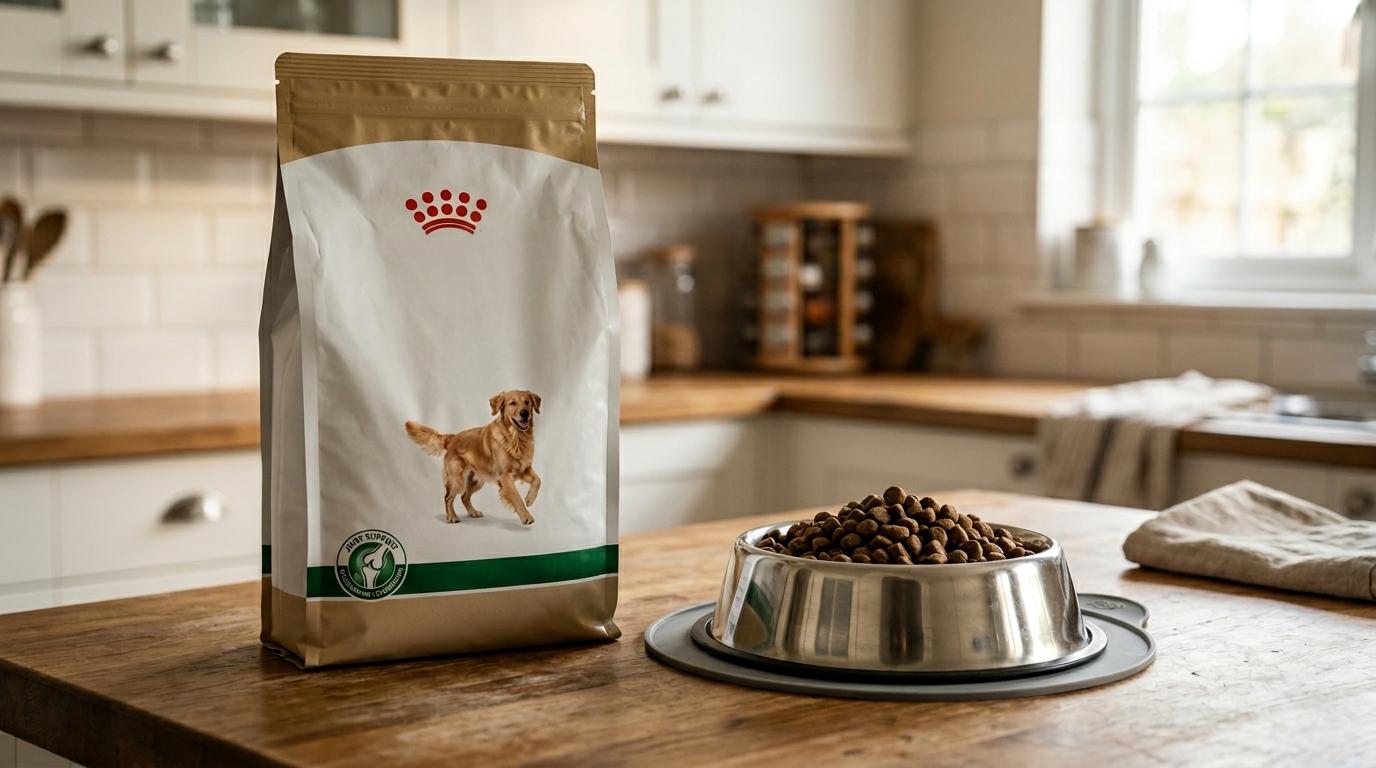
This isn't really a supplement category, but it's worth mentioning. Several prescription veterinary diets are specifically formulated for joint support. They typically combine therapeutic doses of omega-3 fatty acids with other supportive ingredients in the food itself. Brands like Hill's Prescription Diet j/d, Royal Canin Mobility, Purina ProPlan Veterinary Diet JM, and others fall into this category.
The evidence: Some of these diets have moderate evidence for clinical benefit. The Hill's j/d diet has multiple published studies. They essentially deliver therapeutic doses of evidence-based supplements in food form.
Realistic expectations: A genuine alternative to giving multiple supplements separately. The convenience of "supplementation through nutrition" appeals to many owners, and compliance is much easier than remembering daily supplements.
Cost: Prescription joint diets cost considerably more than standard food. A 12kg bag for a medium-sized dog might cost £80-120, lasting roughly 4-6 weeks.
My verdict: A reasonable approach for many dogs, particularly if you would otherwise be giving multiple separate supplements. The evidence-based nutrition is built in. Compliance is easier. Discuss with your vet whether this approach makes sense for your dog.
Combination products
Many supplements on the market combine multiple ingredients in single products. The marketing is appealing: "everything your dog needs in one tablet." The reality is mixed.
Pros of combination products:
- Convenience (one product to give)
- Better compliance
- Some combinations may have additive or synergistic effects
Cons of combination products:
- Hard to evaluate which ingredients are doing what
- May contain therapeutic doses of some ingredients and homeopathic doses of others (looking impressive on the label without delivering effect)
- Often expensive for what you're getting
- If one ingredient causes a problem, you don't know which one
What to look for in a combination product:
- Look at the actual doses of each ingredient, not just the impressive list
- Therapeutic doses of omega-3 (EPA+DHA), green-lipped mussel, or UC-II add value
- Tiny amounts of multiple ingredients are likely just marketing
- Veterinary brands (sold through vets) generally have more evidence-based formulations than supermarket brands
How to evaluate any supplement claim
When you're considering a supplement, ask yourself:
Is there published evidence specifically in dogs? Not extrapolation from humans, not laboratory studies, not testimonials. Actual clinical trials in dogs with arthritis.
Is the evidence from independent researchers? Or is it all from the company selling the product?
Are the doses in the product equivalent to those used in the positive studies? Many products use much lower doses than the studies they cite.
Is the active ingredient bioavailable? Some compounds (like curcumin) are poorly absorbed in their plain form.
Is the claimed mechanism plausible? Is there a reason this should work biologically?
What does it cost over a year? Worth understanding before committing.
What would a thoughtful vet say? Not the vet who sells supplements in their practice (who has a commercial interest), but a thoughtful clinician giving impartial advice.
A reasonable supplementation strategy
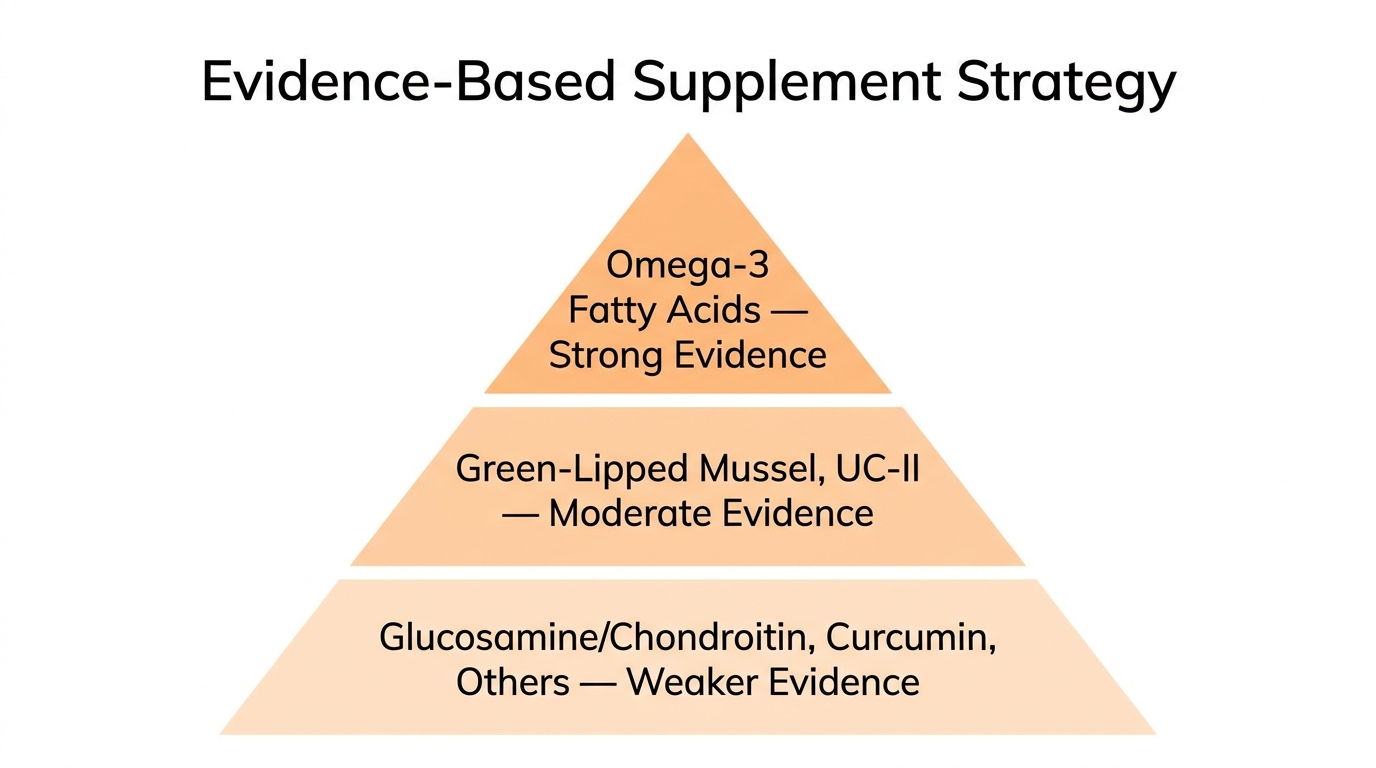
If you want to use supplements as part of your arthritic dog's management, here's what I'd actually do based on the evidence:
Tier 1 (the foundation): Omega-3 fatty acids
At therapeutic doses, this is the supplement with the best evidence. Either as a separate liquid fish oil or as part of a prescription joint diet. Don't skip this.
Tier 2 (a reasonable addition): Green-lipped mussel or UC-II
If you want to add a second supplement, these have reasonable evidence. Either standalone products or as part of a quality combination product.
Tier 3 (optional, lower priority): Glucosamine and chondroitin, curcumin, others
These have weaker evidence. If you want to use them, that's fine, but they shouldn't be your priority. If you're already using them and feel your dog benefits, there's no urgent reason to stop.
What I wouldn't waste money on:
- Multiple expensive supplements all promising similar things
- Products with vague claims and small doses
- "Designer" or expensive boutique brands without evidence of superiority
- MSM as a standalone
- Plain turmeric powder
- Oral hyaluronic acid
When supplements don't work
If you've tried evidence-based supplements at proper doses for 8-12 weeks and your dog still seems uncomfortable, the answer isn't to add more supplements. The answer is to talk to your vet about adjusting their medication, looking at whether other factors (weight, exercise, environment) need attention, or considering whether the disease has progressed and needs a different approach.
Supplements can support arthritis management. They don't replace proper medical care. If your dog is in pain despite supplementation, they need more than supplements.
A final word on the supplement industry
The pet supplement industry is worth hundreds of millions of pounds globally. There are excellent companies producing evidence-based products at fair prices. There are also companies producing products with confident claims, beautiful packaging, and very little inside that's likely to help your dog.
Be a sceptical consumer. Don't believe the marketing. Don't assume that expensive means effective. Don't assume that "natural" means "works." Ask for evidence. Read past the labels.
Your money is finite, and your dog has a finite remaining lifespan. Spend wisely on the things that actually help: pain control, weight management, environmental adaptation, evidence-based supplements at proper doses, and a relationship with a vet who gives you straight information.
That's a more effective use of your resources than a kitchen shelf full of half-used pots of products that may or may not do anything at all.
References
- Pye C, Clark N, Bruniges N, Peffers M, Comerford E. Current evidence for non-pharmaceutical, non-surgical treatments of canine osteoarthritis. Journal of Small Animal Practice, 2024;65(1):3-23.
- Barbeau-Grégoire M, Otis C, Cournoyer A, Moreau M, Lussier B, Troncy E. A 2022 systematic review and meta-analysis of enriched therapeutic diets and nutraceuticals in canine and feline osteoarthritis. International Journal of Molecular Sciences, 2022;23(18):10384.
- Bhathal A, Spryszak M, Louizos C, Frankel G. Glucosamine and chondroitin use in canines for osteoarthritis: A review. Open Veterinary Journal, 2017;7(1):36-49.
- Kampa N, Kaenkangploo D, Jitpean S, et al. Evaluation of the comparative efficacy of green lipped mussel plus krill oil extracts (EAB-277), Biota orientalis extracts or NSAIDs for the treatment of dogs with osteoarthritis associated pain: a blinded, placebo-controlled study. Frontiers in Veterinary Science, 2024;11:1464549.
- Comblain F, Barthelemy N, Lefebvre M, et al. A randomized, double-blind, prospective, placebo-controlled study of the efficacy of a diet supplemented with curcuminoids extract, hydrolyzed collagen and green tea extract in owner's dogs with osteoarthritis. BMC Veterinary Research, 2017;13(1):395.
- Gamble LJ, Boesch JM, Frye CW, et al. Pharmacokinetics, safety, and clinical efficacy of cannabidiol treatment in osteoarthritic dogs. Frontiers in Veterinary Science, 2018;5:165.
- Mejia S, Duerr FM, Griffenhagen G, McGrath S. Evaluation of the effect of cannabidiol on naturally occurring osteoarthritis-associated pain: a pilot study in dogs. Journal of the American Animal Hospital Association, 2021;57(2):81-90.
Sister tool · Sightline
Track whether treatment is working
Sightline, a separate ConciergeVet tool, runs a short weekly check-in built on validated pain and mobility instruments, turns it into a single Sightline Score you can watch trend over weeks rather than judge on one bad day, and produces a report you can bring to your vet.
A written log, or our printable trackers, does much the same job.
See how Sightline tracks treatmentSee where your pet stands today
Tracking is the other half of managing arthritis. Take the 2-minute Mobility Check to see your pet's stage, then watch it shift as treatment takes effect.
Take the Mobility CheckYou're not doing this alone
Compare treatment journeys and talk to owners managing arthritis. Free to join.
Join PetsLikeMine