

Managing Your Cat's Arthritis: Medications, Environment, and Diet
Alastair Greenway
BVM&S MRCVS
Your cat has arthritis, either confirmed on examination or suspected strongly enough that we'll treat the suspicion as good as confirmed. The question now is what to do about it.
Feline arthritis management has been transformed in the past five years, which helps. The conversation has shifted from "there's not much we can do for cats with arthritis" to "we have multiple effective options, and most cats can be made considerably more comfortable." This is genuine progress, and your cat is in a much better position than they would have been a decade ago.
The less good news is that the conversation about feline arthritis is still well behind the equivalent conversation about canine arthritis. The evidence base is smaller. The medication options are more limited. The veterinary attention given to it in routine consultations is patchier. Many vets graduated before the recent developments and may not be fully up to date with current best practice.
This article walks you through the whole picture of managing arthritis in cats: the medications (including the newer options that have changed the field), the environmental changes that matter most, the nutritional considerations, and the complementary approaches that can fill gaps in the pharmaceutical options.
One note before we start. This article assumes you've read our companion articles on feline arthritis prevalence and feline pain recognition. If you haven't, those provide useful context for understanding why so many cats are affected and why diagnosis is so often delayed.
How feline arthritis care fits together
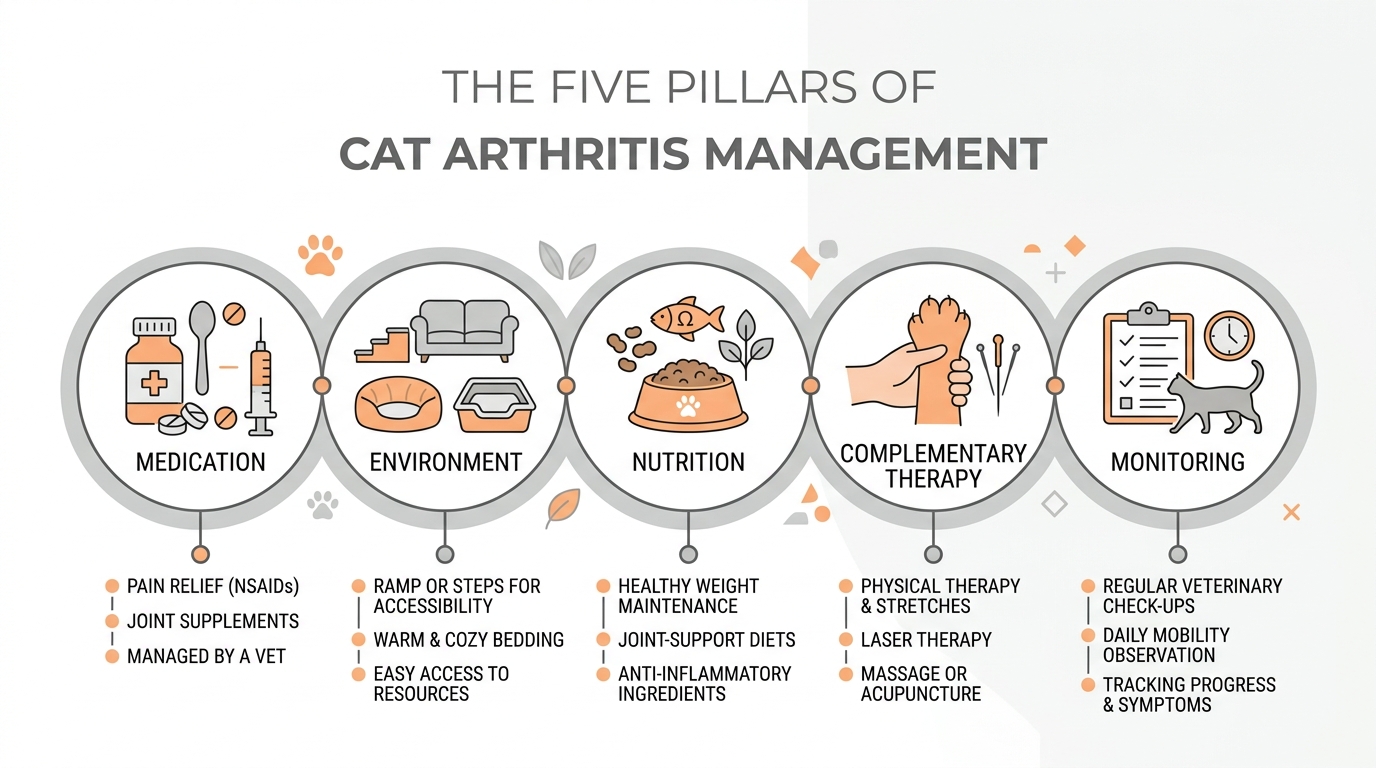
Effective management of arthritis in cats works across several fronts at once, much like in dogs. The current best practice, supported by the 2024 ISFM and AAFP consensus guidelines on long-term NSAID use in cats, emphasises a multimodal approach. No single intervention does the whole job. The combination is what works.
The main components are:
Medications that reduce pain and inflammation. These have expanded significantly in recent years.
Environmental modifications that make daily life less physically demanding. For cats, these are often more impactful than for dogs because the medication options are narrower.
Nutritional management including weight control (critical) and joint-supportive nutrition.
Complementary therapies including physiotherapy, laser therapy, acupuncture, and others.
Pain monitoring to track response to treatment and adjust as needed.
We'll work through each of these in turn.
Medications: the modern picture
The medication landscape for feline arthritis has shifted significantly. Five years ago, the conversation was dominated by concerns about long-term NSAID use. Today, while those concerns remain real, we have a much broader toolkit and clearer guidance on using each component safely.
Solensia (frunevetmab): the game-changer
The single most important development in feline arthritis management has been the licensing of Solensia (frunevetmab), a monthly injectable monoclonal antibody therapy. It received European approval in 2020 and US FDA approval in 2022.
How it works. Solensia is a cat-specific monoclonal antibody designed to bind to and neutralise nerve growth factor (NGF). NGF is a protein involved in maintaining and amplifying chronic pain signalling. By blocking it, Solensia reduces the chronic pain experience without acting on the organs (kidneys, liver, gastrointestinal tract) that traditional NSAIDs affect.
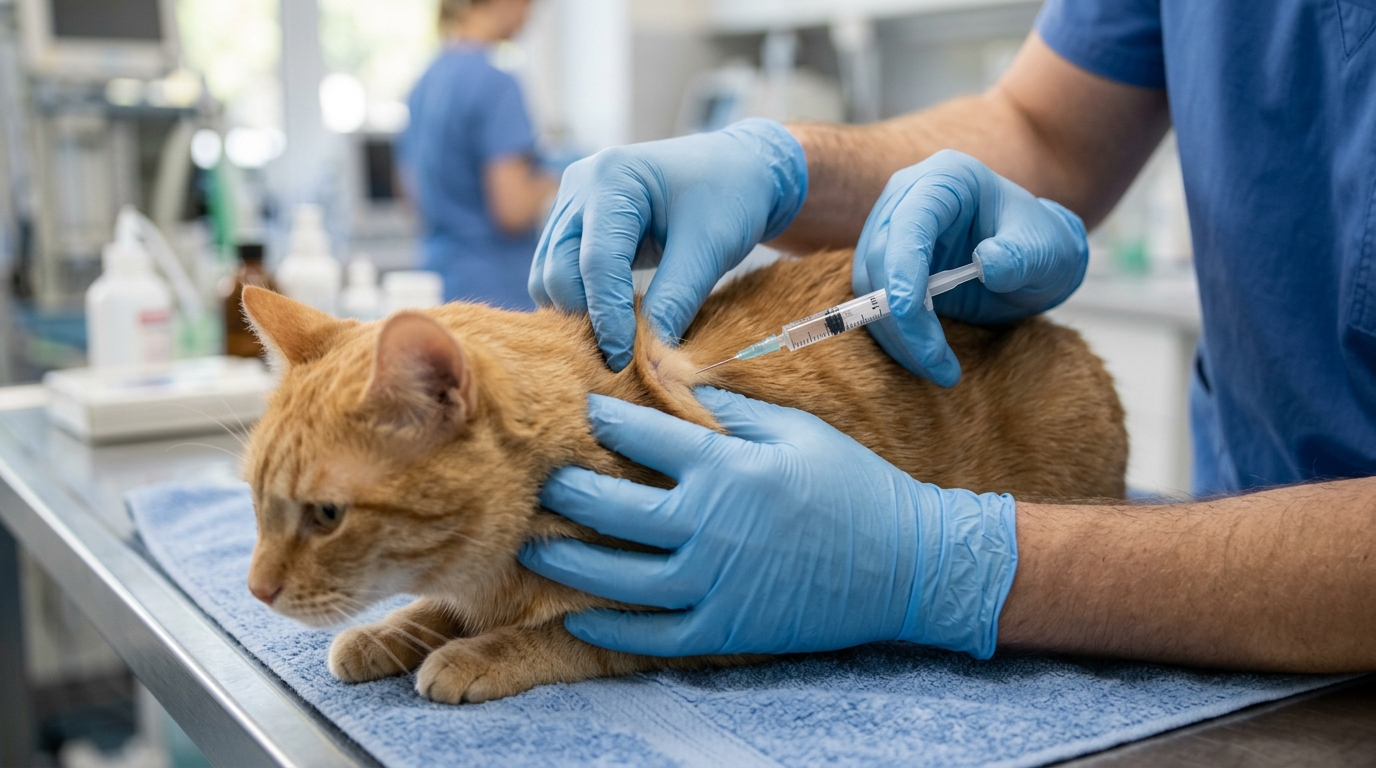
How it's given. A monthly subcutaneous (under the skin) injection at the vet clinic. The cat doesn't need to fast beforehand. Most cats tolerate the injection well. It cannot be given at home; it must be administered by a vet.
How well it works. The clinical evidence is genuinely encouraging. The pivotal trial by Gruen and colleagues (2021, Journal of Veterinary Internal Medicine) found around 76% of cats showed treatment success after three monthly injections, significantly more than placebo, which itself reached around 68%. So the gap over placebo is real but more modest than the headline number alone suggests. Many owners notice changes within 3 weeks of the first injection, and effects tend to build with subsequent monthly doses.
What does "improvement" actually look like? Owners commonly report:
- Their cat jumping onto surfaces they'd stopped attempting
- Increased activity and engagement
- Better grooming
- More social behaviour
- Better appetite
- Easier movement, particularly in the mornings
- Reduced reluctance to be handled
For many cats, the effect is meaningful and visible. For some, the effect is more modest. A small proportion don't seem to respond.
Side effects. Generally well-tolerated. Most commonly reported are mild and transient: lethargy, injection site reactions, occasional vomiting. The lack of effect on the kidneys is particularly valuable given how many older cats have concurrent kidney disease (more on this below).
There are some ongoing post-marketing safety considerations, similar to those discussed for the canine equivalent Librela. The cumulative experience with Solensia is shorter than with NSAIDs, so the long-term safety profile is still being characterised. So far, the picture is largely positive but not entirely free of reports of adverse events.
Cost. In UK practice, a monthly Solensia injection typically costs £35-65 depending on the cat's weight and the practice. Annual cost is therefore approximately £420-780. This is significantly more than oral NSAIDs but reflects the monoclonal antibody manufacturing process and the targeted nature of the therapy.
When Solensia is particularly useful:
- Cats with concurrent kidney disease (where NSAIDs may be problematic)
- Cats with other comorbidities making NSAIDs risky
- Cats who haven't tolerated NSAIDs
- Cats whose pain isn't well controlled on NSAIDs alone
- Owners who struggle with daily oral medication
- Cats already in significant pain who need a different mechanism of action
For many cat owners and vets, Solensia has become a first-line option for chronic arthritis pain. It's worth discussing whether it's appropriate for your cat.
NSAIDs in cats: the careful approach
NSAIDs remain the most widely available and most affordable pain medications for cats, but their use requires more caution than in dogs. The 2024 ISFM and AAFP consensus guidelines on long-term NSAID use in cats provide the most current expert thinking on this.
Meloxicam (Metacam). The most commonly used NSAID for cats globally. Available as an oral liquid that most cats accept reasonably well. Licensed for long-term use in cats in many countries including the UK, though importantly not in the United States (where its labelling is more restricted).
The dose for long-term use in cats is much lower than for dogs: typically around 0.05mg/kg once daily, or even less frequently (every 2-3 days) in some protocols. Your vet will calculate the exact dose for your cat.
Robenacoxib (Onsior). A more selective COX-2 inhibitor licensed for short-term use in cats (typically up to 6 days). Some vets use it off-label for longer periods with monitoring. Comes as small tablets that some cats accept well.
Other NSAIDs are sometimes used in specific situations but the above two are the main options for feline arthritis management.
The kidney concern. This is the most important caveat for NSAIDs in cats. NSAIDs reduce renal blood flow to some degree, which can cause problems in cats whose kidneys are already compromised. Given that chronic kidney disease is extremely common in older cats (the same age group most affected by arthritis), this is a genuine clinical concern.
The 2024 consensus guidelines provide clearer guidance than was previously available: NSAIDs can often be used cautiously in cats with stable, well-managed kidney disease at reduced doses with careful monitoring. The previous near-blanket caution has been replaced by more nuanced clinical judgement.
What this means in practice: if your cat has kidney disease, NSAID use isn't automatically off the table, but it requires careful discussion with your vet about whether the benefits justify the risks, ongoing monitoring of kidney function, and use of the lowest effective dose.
The gastrointestinal concern. Less prominent than the kidney concern but still worth knowing about. NSAIDs can cause gastrointestinal upset, ulceration, and bleeding. Cats vary in their sensitivity. Watch for vomiting, reduced appetite, or any blood in stool.
The monitoring requirement. Any cat on long-term NSAIDs should have:
- Baseline blood tests before starting (kidney function, liver function)
- Repeat blood tests 2-4 weeks after starting
- Periodic monitoring every 6-12 months
The UK cost of these blood tests is £80-180 each. This isn't optional. It's essential for safe long-term use.
When NSAIDs work well. Many cats do beautifully on long-term meloxicam at appropriate doses. The improvement in pain and quality of life can be significant. The medication is affordable, given orally, and convenient. For a cat without significant comorbidities, NSAIDs remain a reasonable first-line option.
Gabapentin
Gabapentin has become much more widely used in feline pain management in recent years. It was originally developed as a human anti-seizure medication but works on calcium channels in nerve cells in a way that addresses certain types of chronic pain.
Where gabapentin helps. Particularly useful for:
- Cats with central sensitisation from longstanding pain
- Cats where NSAIDs alone aren't enough
- Cats with neuropathic pain components
- Reducing stress around veterinary visits (a separate but useful application)
Dosing in cats. Variable. Typically given 2-3 times daily. Doses range from 5-10mg/kg up to higher amounts depending on response. Liquid formulations are easier to dose precisely in cats.
Side effects. The main one is sedation. Some cats become noticeably drowsy when starting gabapentin. This usually settles within a week or so, but some cats remain a bit sleepy throughout treatment. For many owners, mild sedation is acceptable if the cat is more comfortable; for others, it's a problem worth adjusting around.
Cost. Gabapentin is generic and inexpensive. UK cost is typically £15-30 per month for ongoing treatment.
Amantadine
Less commonly used in cats than in dogs, but worth knowing about. Works on NMDA receptors and may help with central sensitisation. Used off-label in cats with chronic pain that's not responding fully to other interventions.
Adequan and other injectable joint support
Polysulfated glycosaminoglycan (Adequan) is an injectable medication that helps protect joint cartilage. Used off-label in cats with veterinary guidance. Some clinicians find it helpful for specific cases, though the feline evidence base is thinner than the canine.
Less commonly used than Solensia for chronic feline arthritis. Worth knowing about in case your vet raises it.
What about steroids?
Corticosteroids (prednisolone, methylprednisolone) can reduce arthritis inflammation effectively, but their long-term side effects make them poor choices for chronic management. They suppress the immune system, can affect glucose regulation (a particular concern in cats given the prevalence of feline diabetes), and cause significant other effects with chronic use.
Steroids are typically reserved for:
- Short-term use in significant flares
- Specific situations where NSAIDs and other options aren't appropriate
- Some immune-mediated joint conditions (different from osteoarthritis)
Steroids should not be combined with NSAIDs. If your cat is on a steroid for any reason, NSAID therapy needs to stop, with washout time before changes.
Multimodal protocols
The current best practice is increasingly multimodal: combinations of medications working through different mechanisms. A typical modern protocol for a cat with moderate to severe arthritis might be:
- Monthly Solensia injection
- Plus low-dose meloxicam (if kidney function permits)
- Plus gabapentin for breakthrough or particularly stiff days
- Plus omega-3 supplementation through diet
- Plus environmental modifications
- Plus regular weight monitoring
Not every cat needs every component. The protocol is built around the individual cat's situation, comorbidities, owner circumstances, and response to each intervention.
The combination is often more effective than any single drug at maximum dose. This is the principle that's transformed canine arthritis management and is now being applied to cats.
Changing the home: the underrated lever
For cats more than for dogs, environmental modifications are arguably the most powerful intervention you can make. Cats live in much smaller worlds than dogs (they don't go on walks; their entire environment is your house and garden), so changes to that environment have proportionally greater impact.
Many of these are free or very cheap. All of them can be implemented this week.
Getting up high again
Cats value vertical space. Being elevated is important to them psychologically. An arthritic cat who can no longer reach their favourite high places has lost something significant in their life.
Solutions:
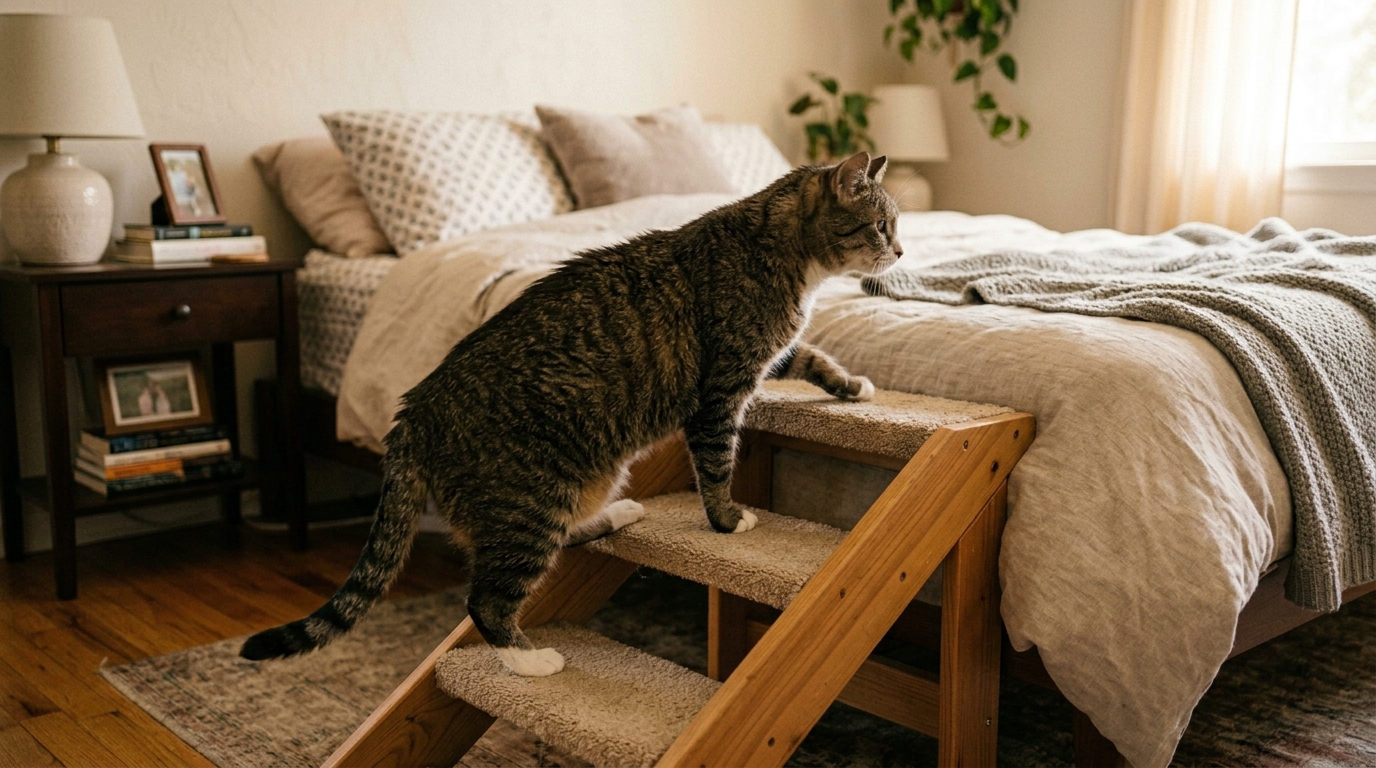
Pet steps to favourite spots. Stairs or ramps positioned so the cat can reach the bed, sofa, windowsill, or other elevated place they want to access. Wooden pet steps (£30-80) work well; carpet provides grip.
Intermediate stepping stones. Furniture positioned strategically so the cat can stage their journey. A chair next to a sofa next to the windowsill creates a staircase rather than a single insurmountable jump.
Lower the targets. Where possible, bring favourite resting places to a height the cat can manage. A cat tree with multiple levels rather than one high perch.
Don't reduce all vertical access. Cats still want to be elevated. The goal is to make it achievable, not to eliminate it.
Litter tray modifications
This is one of the most impactful changes you can make for an arthritic cat. Standard litter trays often have high sides that make access painful.
Solutions:
Switch to low-entry trays. Either purpose-designed low-entry trays for senior cats (£15-30) or modify an existing tray by cutting down one side. A low-entry tray should have an entry point no more than 5-8cm high.
Make them larger. Older cats often need larger trays to posture comfortably inside. A tray that was fine when they were younger may now be too small to allow comfortable positioning.
Add multiple trays in multiple locations. Particularly important in multi-storey homes. A cat shouldn't have to navigate stairs to reach a litter tray. One tray on each floor minimum.
Choose the right litter. Soft, fine litter is more comfortable for sore paws than coarse pellet litter. Some cats with foot or claw discomfort develop preferences during their arthritis that they didn't have when younger.
Position thoughtfully. Trays should be in quiet, accessible locations the cat can reach easily. Don't expect them to navigate slippery hallways or steep stairs to get there.
If your cat has been "missing" the tray, the cause is more often pain than behaviour. Address the physical access first; the behaviour usually resolves.
Resting places
Cats with arthritis benefit from quality resting places more than younger cats. Cold, hard, or unsupportive surfaces become a daily aggravation.
What works:
Soft, supportive beds. Memory foam cat beds (£25-50) provide better support than standard cushions. Look for beds that are easy to step into rather than requiring climbing over a high edge.
Warm spots. Cold worsens arthritic stiffness. Heated cat pads (£20-40) or self-warming pads that reflect body heat make a noticeable difference, particularly in winter or unheated rooms. Position beds near radiators (but not too close) or in sunny spots.
Multiple beds in multiple locations. Most cats benefit from having choices. A bed in their main resting area, another in a quieter spot, another in a sunny location. Each cat picks based on the day, the weather, and their preferences.
Easy access. Beds shouldn't require navigating obstacles. A bed at floor level that the cat can simply step into is better than one elevated with a step.
Food and water access
Eating from a floor-level bowl requires neck and spinal flexion that can be uncomfortable for cats with cervical or thoracic arthritis.
Solutions:
Slightly raised bowls. Not dramatically high. Just enough that the cat doesn't need to bend their head down to floor level. A small platform under the bowl (3-5cm) is often sufficient.
Multiple water sources. Cats with chronic kidney disease (very common alongside arthritis) need adequate hydration. Having water available in several locations means they don't need to walk far to drink. Water fountains often encourage greater intake.
Easy access to food. Don't put the food bowl in a location that requires stairs or jumping to reach. The cat may be eating but reluctantly making a journey they shouldn't have to make.
Floor surfaces and traction
Cats benefit from the same flooring considerations as dogs, though the impact is sometimes different.
Slippery floors create the same problems for cats as for dogs: loss of confidence, gait alteration, risk of acute injury. Cats are more agile than dogs and often manage better, but arthritic cats lose this advantage.
Solutions: Non-slip rugs along main routes, particularly between resting areas and litter trays/food. Yoga mats or rubber mats in key spots. The same principles as for dogs (covered in detail in our home modifications article for dogs).
Outdoor surfaces matter for cats with garden access. Decking becomes slippery when wet. Slippery garden paths cause acute injuries. Watch how your cat navigates the outdoor environment.
Getting in and out of the garden
For cats who go outside, the journey out and back is part of the equation.
Cat flaps that require pushing through can be difficult for arthritic cats. The flexing required, particularly through a heavy flap with a magnetic closure, may be painful. Consider:
- Leaving doors open or installing a propping mechanism during the day if security allows
- Larger, lighter flaps that require less effort
- Microchip flaps designed for ease of use
- Accepting that you may need to let them in and out at intervals
Steps and thresholds at doorways can be challenging. A small ramp from inside to outside removes the need to step down (or up) for an arthritic cat.
Asking less of a sore body
Beyond modifying specific routes and access points, think about reducing the overall amount of difficult movement your cat needs to do.
Bring resources to them. If they're in a comfortable spot, you can sometimes bring food, water, and gentle attention to them rather than requiring them to come to you.
Don't insist on social interaction at distance. A cat who needs to walk down stairs to greet you may stop greeting you altogether. Go to where they are, at least some of the time.
Group their resources. Food, water, litter tray, and bed don't have to be in the same room, but they should be on the same floor and not require difficult navigation between them.
Nutrition for the arthritic cat
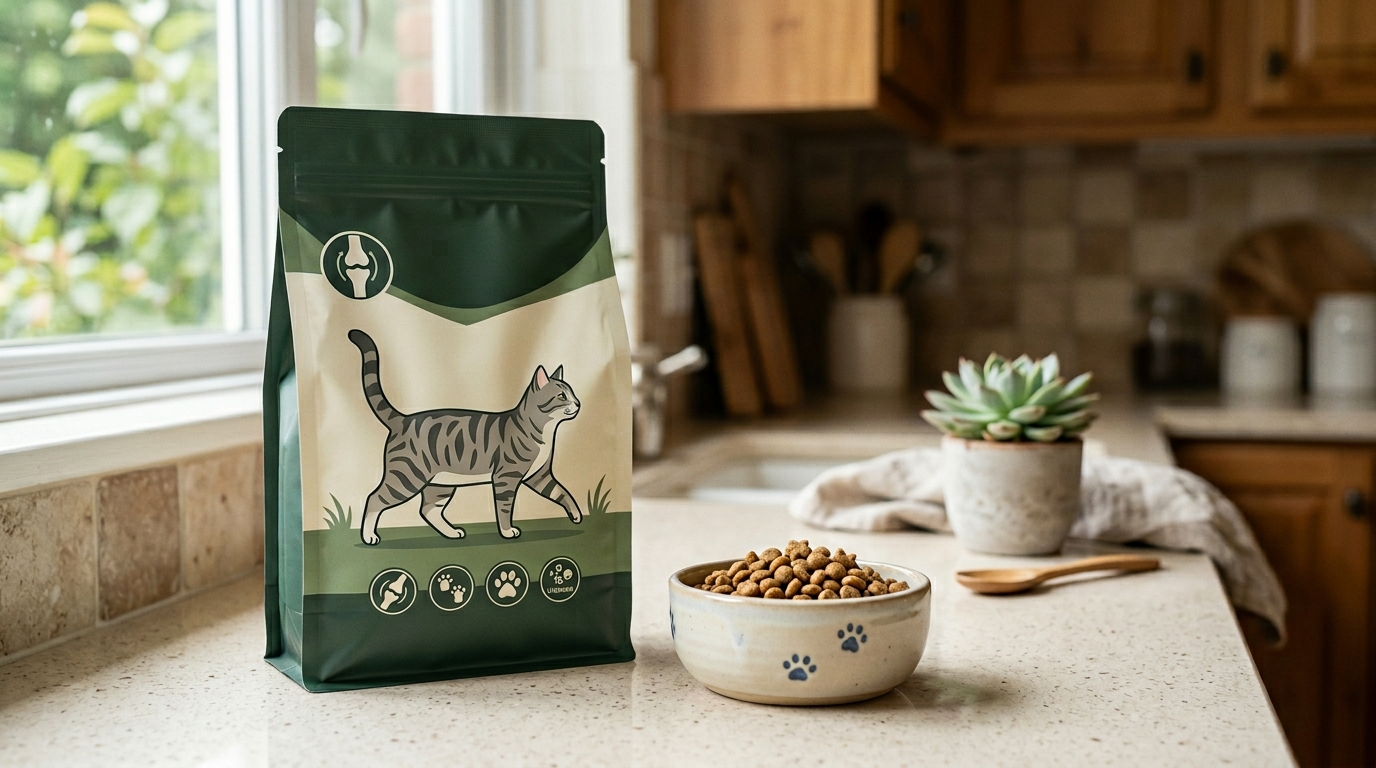
The nutritional approach to arthritic cats overlaps significantly with the canine approach but has some specific differences.
Weight management
This is critical, and it's harder in cats than in dogs.
Why critical: every kilogram of excess weight loads already-painful joints. Weight loss in obese arthritic cats produces meaningful improvements in pain and mobility, just as in dogs.
Why harder: cats are notoriously difficult to put on weight loss programmes. They can be selective eaters who refuse to switch foods. Crash dieting is dangerous because of the risk of hepatic lipidosis (fatty liver disease), which can be fatal in cats. Weight loss must be slow and supervised.
The principles:
Slow and steady. Aim for 0.5-1% of body weight per week maximum. Not faster.
Veterinary supervision is wise. For cats particularly, working with your vet or vet nurse on a structured weight loss plan reduces the risk of complications. Many practices offer free weight clinics.
Use weight loss diets specifically. Cat-specific weight management foods (Hill's Metabolic, Royal Canin Satiety, others) are formulated to allow weight loss while maintaining adequate nutrition, including specific protein levels to preserve muscle mass.
Measure food precisely. Use a kitchen scale, not scoops or visual estimation.
Cut treats. Or count them rigorously into the daily allowance.
Multiple small meals. Cats often do better with several smaller meals than one or two large ones. This also keeps them more comfortable when calorie-restricted.
Increase activity through play. Even short play sessions with feather wands or other toys can encourage gentle movement and contribute to calorie burn. Adjust for the cat's mobility; don't ask an arthritic cat to leap and chase wildly.
Omega-3 fatty acids
A 2025 narrative review by Lefort-Holguin and colleagues in the Journal of Feline Medicine and Surgery concluded that diets enriched with omega-3 fatty acids are therapeutic for cats with osteoarthritis, with effects described as comparable to pharmacological treatment and similarly effective in moderate and severe cases. The evidence base is now reasonably strong.
The mechanism is the same as in dogs: EPA and DHA shift the body's inflammatory chemistry toward less inflammatory pathways, reducing the joint inflammation that drives pain and damage.
Doses for cats: Therapeutic doses are roughly similar on a weight basis to dogs, but cats need particular attention to DHA (which appears especially important in cats for joint and other conditions). Aim for approximately 50-100mg of combined EPA+DHA per kg of body weight per day. For a 4.5kg cat, that's roughly 225-450mg of EPA+DHA daily.
Sources:
-
Therapeutic joint diets for cats. Hill's Prescription Diet j/d, Royal Canin Mobility Support, and others have cat-specific formulations with therapeutic omega-3 doses built in. Cost is £30-50/month.
-
Fish oil supplements. Liquid fish oils that can be measured precisely. Cat-friendly products with palatable formulations are available. Cost £10-25/month.
-
Whole fish foods. Some owners feed small amounts of oily fish (sardines, salmon) for omega-3, though precise dosing is harder.
Joint diets
Several therapeutic joint diets are specifically formulated for cats. They typically combine therapeutic omega-3 doses with other supportive ingredients (glucosamine, chondroitin, green-lipped mussel in some cases) and balanced overall nutrition for joint health.
The 2010 Lascelles et al. randomised, blinded, controlled trial in the Journal of Veterinary Internal Medicine evaluated a therapeutic joint diet (the Hill's j/d formulation) in 40 client-owned cats with degenerative joint disease and found measurable improvements in owner-assessed activity and mobility over standard food. This remains the canonical feline j/d reference. Other brands have similar formulations, with less independent published evidence behind any specific product.
For many cat owners, switching to a therapeutic joint diet is the simplest way to deliver multiple evidence-based nutritional interventions in one product. Discuss this with your vet.
Supplements
The evidence for individual joint supplements in cats is generally weaker than the evidence for omega-3 fatty acids. Glucosamine and chondroitin are widely used but the cat-specific evidence is limited. Green-lipped mussel has some promising data but again, more research is needed.
If you want to use supplements alongside other treatments, that's reasonable, but don't rely on them as your primary intervention. Prescription joint diets often include these ingredients in their formulations, which means a separate supplement may not be needed.
Hydration
Cats are notoriously prone to inadequate hydration, particularly older cats and those with kidney disease. Hydration affects joint health (the synovial fluid that lubricates joints depends on adequate hydration) and overall health.
Encourage drinking through:
- Multiple water sources around the home
- Water fountains (many cats prefer running water)
- Wet food alongside dry, which contributes meaningful hydration
- Fresh water daily; older cats are sometimes pickier about water quality
Complementary therapies for cats
Cats can benefit from many of the same complementary approaches used in dogs, though the practicalities are sometimes different.
Physiotherapy and rehabilitation
A surprisingly underused intervention for cats. Veterinary physiotherapists can work with arthritic cats to maintain range of motion, build supportive muscle mass, and improve comfort.
What's involved: typically gentle manual therapy techniques, passive range of motion exercises, sometimes laser therapy, sometimes acupuncture. Sessions usually 30-45 minutes.
The challenge: many cats don't tolerate handling well in unfamiliar settings. Some physiotherapists make home visits, which often works better for cats than clinic visits.
UK cost: £40-80 per session depending on practitioner and location.
Acupuncture
Increasingly used for chronic pain in cats. Some cats tolerate it well; others don't. The needles used are very fine, and most cats experience them as minor sensations rather than pain.
Evidence in cats is limited but the broader pain medicine evidence (and the increasing use in feline practice) suggests it can be helpful for some.
UK cost: £40-70 per session typically.
Laser therapy (Class IV / Class 3B)
Photobiomodulation therapy uses specific wavelengths of light to reduce inflammation and promote healing. Used in veterinary practice for various conditions including arthritis.
Evidence is mixed but suggests modest benefit in some cases. Some practices offer laser therapy as an adjunct treatment. Sessions are usually brief and most cats tolerate them well.
UK cost: £20-40 per session, often used in courses of multiple sessions.
Massage
Gentle massage at home, if your cat tolerates it, provides physical contact, increases blood flow, and may help reduce muscle tension secondary to arthritis. Not a substitute for medical management but a useful complementary activity.
Use very gentle pressure. Stop if the cat shows any discomfort. Make it a positive experience associated with treats and quiet voice.
Is the treatment working?
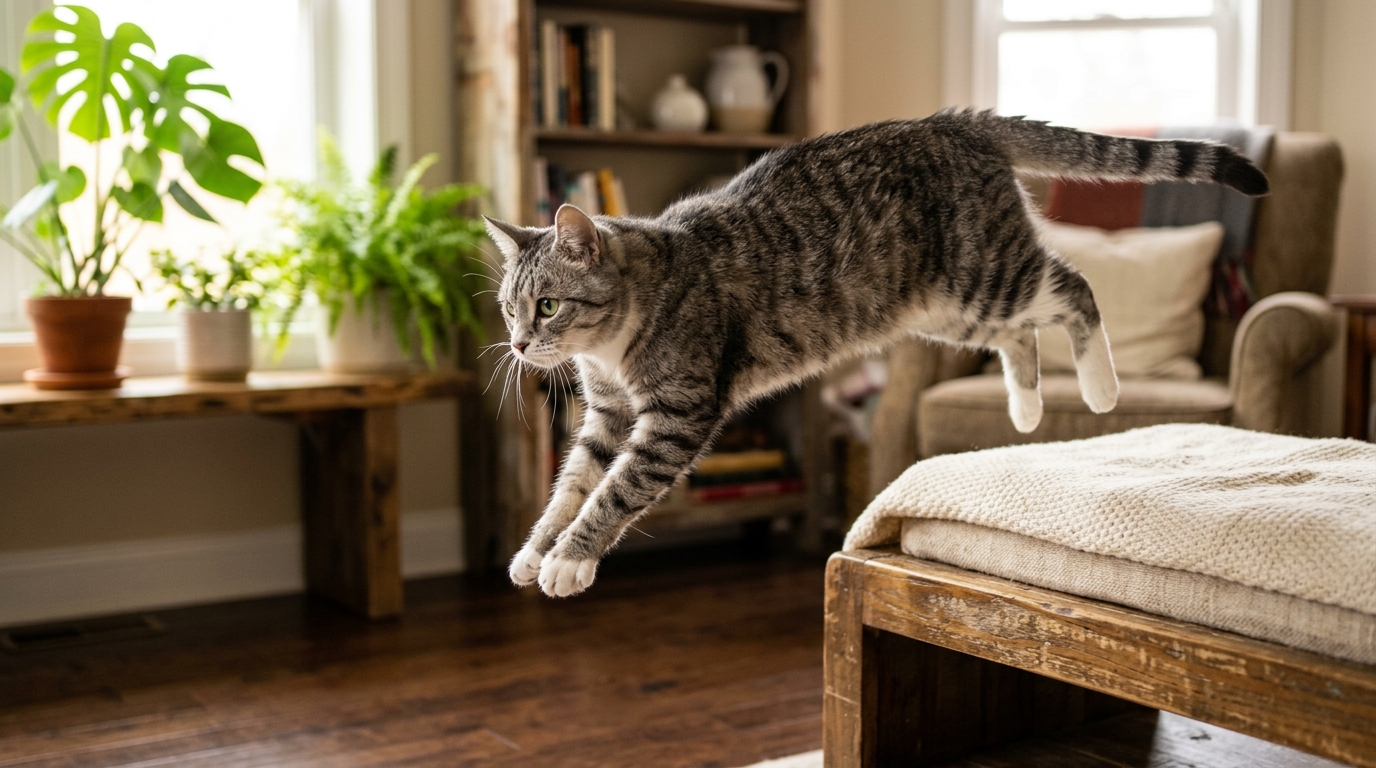
Once you've started a management plan, you need to know whether it's working. Subjective impressions are unreliable; structured monitoring is much better.
What to track:
Activity level. Are they doing more or less than they were before treatment started? Jumping, playing, patrolling, engaging?
Jumping behaviour specifically. Are they accessing places they'd stopped going? This is one of the most sensitive indicators of treatment response.
Grooming. Is the coat looking better cared-for? Are they reaching areas they'd been neglecting?
Litter tray use. Are they getting in and out more easily? Are accidents reducing?
Social interaction. Are they engaging with the family more? Tolerating handling better? More interested in being near you?
Sleep quality. Are they shifting position less? Sleeping more soundly?
Facial expression. Use the Feline Grimace Scale framework to assess pain expression at intervals.
Weight. Monthly weigh-ins if weight management is part of the plan.
Document changes in writing or photos/video over time. The day-to-day picture is invisible; the month-to-month and quarterly picture often reveals significant change.
If a written log isn't going to happen, and for many owners it won't, that's part of why we built Sightline. Sightline (sightline.vet) is a separate ConciergeVet tool that supports cats and runs a short weekly questionnaire covering activity, mobility, social engagement, and comfort, producing a tracked score and a report you can share with your vet.
Structured monitoring matters more in cats than in dogs: the medication options are narrower, and the feedback signals are quieter. Knowing whether the Solensia or the meloxicam is genuinely moving the needle, versus moving it modestly, is harder for a cat than for a dog. Any consistent way of capturing that, whether app, diary, calendar reminders, or monthly video, beats trusting impression.
How this looks in real cats
A few practical examples of how management might look for different cats.
The newly diagnosed senior cat
A 13-year-old indoor cat who's been quietly developing arthritis and has just been diagnosed.
Reasonable starting plan:
- Trial of meloxicam at low dose if kidney function is acceptable
- Or Solensia monthly if NSAIDs not appropriate
- Switch to a therapeutic joint diet
- Low-entry litter trays, multiple locations
- Steps to favourite resting places
- Bed assessment and upgrade if needed
- Recheck in 4-6 weeks to assess response
The arthritic cat with kidney disease
A 14-year-old cat with stable chronic kidney disease and now obviously arthritic.
NSAIDs are problematic. Plan focuses on:
- Solensia monthly (the main pharmaceutical option)
- Possibly gabapentin for adjunct pain control
- Therapeutic joint diet (though may need to balance against renal diet if both are needed; discuss with your vet)
- Strong environmental modifications
- Regular monitoring of both kidney function and arthritis response
The arthritic cat who refuses oral medication
Some cats genuinely cannot or will not take oral medications. This used to be a significant problem; Solensia has transformed the situation.
Plan focuses on:
- Solensia as the primary pharmaceutical (no daily dosing required)
- Comprehensive environmental modifications
- Diet (if they'll accept a switch)
- Acupuncture or laser therapy if they tolerate it
The young arthritic cat
Younger cats (under 8) with arthritis often have specific underlying conditions like Maine Coon hip dysplasia or post-trauma joint damage. Management is generally similar to older cats but with longer-term planning.
Same principles apply: appropriate pain management (often Solensia given the long-term horizon), environmental modifications, weight maintenance, monitoring.
Where to start this week
If your cat has been diagnosed with arthritis or you strongly suspect it:
1. Book an appointment specifically about arthritis management if you haven't already had this conversation. Not a quick mention at vaccination; a proper discussion.
2. Ask specifically about Solensia and whether it might be appropriate for your cat. Many vets are happy to discuss it; some are still catching up with current best practice.
3. Implement environmental changes this week. Low-entry litter trays, accessible water in multiple locations, pet steps to favourite spots, soft warm beds. These changes don't require veterinary approval and produce immediate benefit.
4. Assess weight properly. If your cat is overweight, discuss a structured weight loss plan with your vet.
5. Consider therapeutic joint diet if your cat will accept the switch. Discuss with your vet.
6. Start a monitoring routine. Photos, notes, brief video, regular Feline Grimace Scale assessments. Build a baseline so you can track response.
These six actions can transform your arthritic cat's life within weeks.
A final thought
Twenty years ago, the conversation about feline arthritis was depressing. We knew it was common; we knew we were missing it; we had limited tools to do much about it even when diagnosed.
Today, the conversation is genuinely different. The development of Solensia, the clearer guidelines on NSAID use, the better understanding of multimodal management, the recognition of environmental modification as a powerful intervention, all combine to mean that most arthritic cats can be made considerably more comfortable.
References
- Taylor S, Gruen M, KuKanich K, Lascelles BDX, Monteiro BP, Sampietro LR, Robertson S, Steagall PV. 2024 ISFM and AAFP consensus guidelines on the long-term use of NSAIDs in cats. Journal of Feline Medicine and Surgery, 2024;26(4):1098612X241241951.
- Gruen ME, Myers JAE, Tena J-KS, Becskei C, Cleaver DM, Lascelles BDX. Frunevetmab, a felinized anti-nerve growth factor monoclonal antibody, for the treatment of pain from osteoarthritis in cats. Journal of Veterinary Internal Medicine, 2021;35(6):2752-2762.
- Lefort-Holguin M, Delsart A, Frézier M, et al. Osteoarthritis in cats: what we know, and mostly, what we don't know yet. Journal of Feline Medicine and Surgery, 2025;27(7).
- Lascelles BDX, DePuy V, Thomson A, Hansen B, Marcellin-Little DJ, Biourge V, Bauer JE. Evaluation of a therapeutic diet for feline degenerative joint disease. Journal of Veterinary Internal Medicine, 2010;24(3):487-495.
Free downloads
Companion worksheets to put what you've read into practice. Free PDFs, print at home.
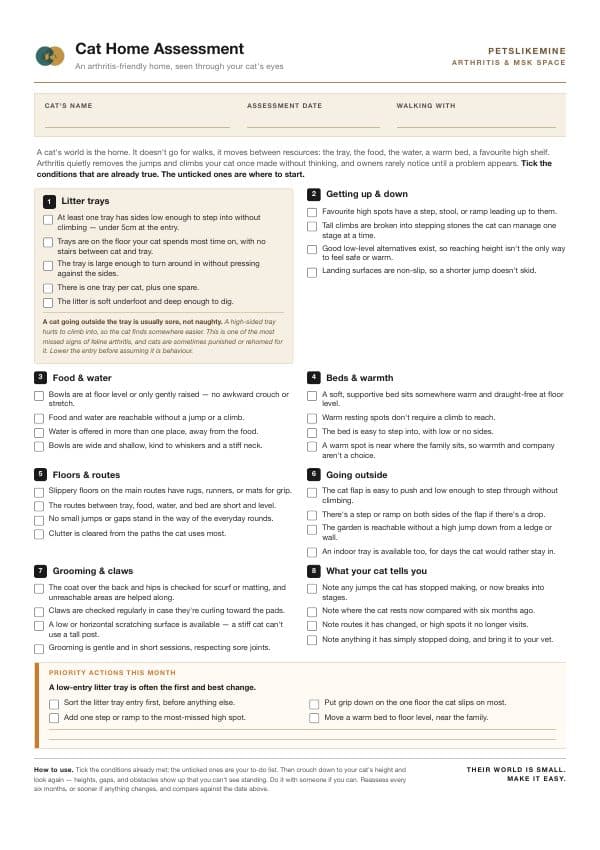
Cat Home Assessment Checklist
PDF · 127 KBA resource-by-resource home assessment for cats with arthritis. A cat's world is the home, and arthritis quietly removes the jumps and climbs between the litter tray, the food, the warm bed, and the favourite high shelf. Tick what's already easy; the rest becomes your plan, starting with the litter tray.
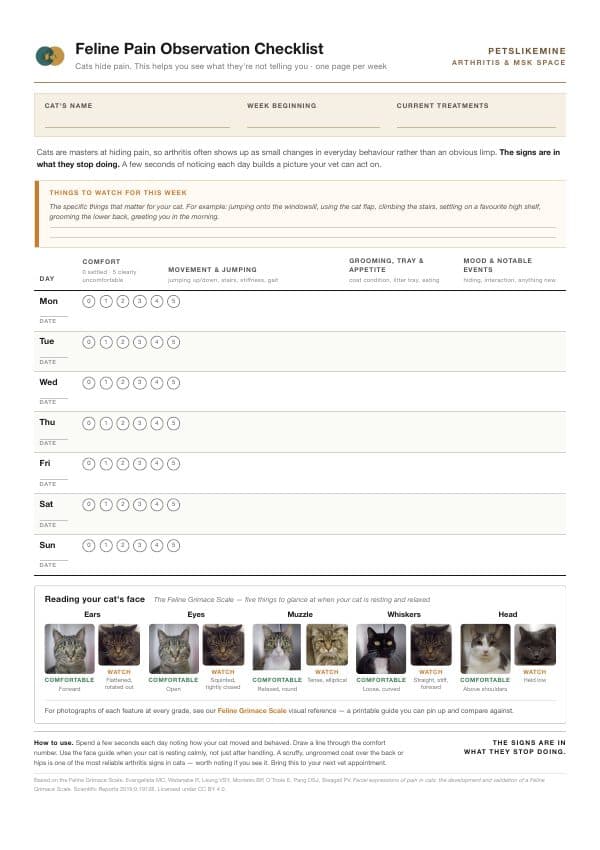
Feline Pain Observation Checklist
PDF · 566 KBA week-by-week record built around how cats really show pain. Not an obvious limp, but the things they quietly stop doing: jumping onto the windowsill, using the cat flap, grooming, settling on a favourite high shelf. A few seconds of noticing each day builds a picture your vet can act on.
Sister tool · Sightline
Track whether treatment is working
Sightline, a separate ConciergeVet tool, runs a short weekly check-in built on validated pain and mobility instruments, turns it into a single Sightline Score you can watch trend over weeks rather than judge on one bad day, and produces a report you can bring to your vet.
A written log, or our printable trackers, does much the same job.
See how Sightline tracks treatmentSee where your pet stands today
Tracking is the other half of managing arthritis. Take the 2-minute Mobility Check to see your pet's stage, then watch it shift as treatment takes effect.
Take the Mobility CheckYou're not doing this alone
Compare treatment journeys and talk to owners managing arthritis. Free to join.
Join PetsLikeMine