

Complementary Therapies: An Evidence-Based Overview
Dr. Alastair Greenway
MRCVS, 25 years clinical experience
Walk into any arthritis discussion online and you'll find people enthusiastically recommending acupuncture, laser therapy, massage, chiropractic, magnets, ultrasound, and a dozen other complementary approaches. Some of these are recommended by qualified veterinary professionals. Some are recommended by people with no specific training. The evidence behind each modality varies enormously, from genuinely impressive to essentially absent. And the cost of trying everything would bankrupt most owners.
This article aims to give you a clear, evidence-based overview of the main complementary therapies used for canine arthritis in the UK. For each one, I'll explain what it actually is, what happens in a session, what the evidence shows, which dogs benefit most, what to expect in terms of cost and commitment, and how to find a qualified practitioner. That should help you decide which of these therapies might be worth exploring for your dog and which probably aren't.
A note before we start. Two of the most important complementary approaches, hydrotherapy and home physiotherapy, have their own dedicated articles in this space. I'll mention them briefly here but won't repeat the depth. Surgery and emerging regenerative treatments (stem cells, PRP) also have their own dedicated articles.
What I'm covering here are the modalities that sit between standard veterinary care and the major interventions. The therapies that owners ask about, that many dogs benefit from, and that deserve a clearer evidence-based explanation than they typically receive.
I should also be upfront with you. I practise veterinary acupuncture myself, which means I have a clinical interest and some inherent bias. I've tried to balance that with even-handed evidence assessment, but you should know my background going in.
How to think about complementary therapies
Before we get into specifics, a framing point.
Complementary therapies are, by definition, used alongside conventional treatment rather than instead of it. They're additions to a multimodal pain management plan, not replacements for it. A dog whose arthritis pain isn't being adequately controlled by medication isn't going to be saved by acupuncture alone. But a dog who's already on appropriate medication and good supportive care may benefit meaningfully from added complementary modalities.
This matters because some online sources promote complementary therapies as alternatives to conventional medicine. They're not, and shouldn't be presented that way. The evidence supporting complementary therapies in arthritis is generally for their use as adjuncts. Get the foundation right (pain control, weight management, exercise, environment), then layer complementary therapies on top where appropriate.
The other framing point is about evidence. The phrase "evidence-based" gets thrown around loosely. In reality, evidence exists on a spectrum:
- Strong evidence: Multiple high-quality randomised controlled trials with consistent findings
- Moderate evidence: Some good trials with reasonable findings, supported by physiological plausibility
- Weak evidence: A few small studies with mixed findings, or strong physiological rationale without robust clinical data
- Anecdotal evidence: Testimonials and case reports without controlled studies
- No meaningful evidence: Claims without supporting research
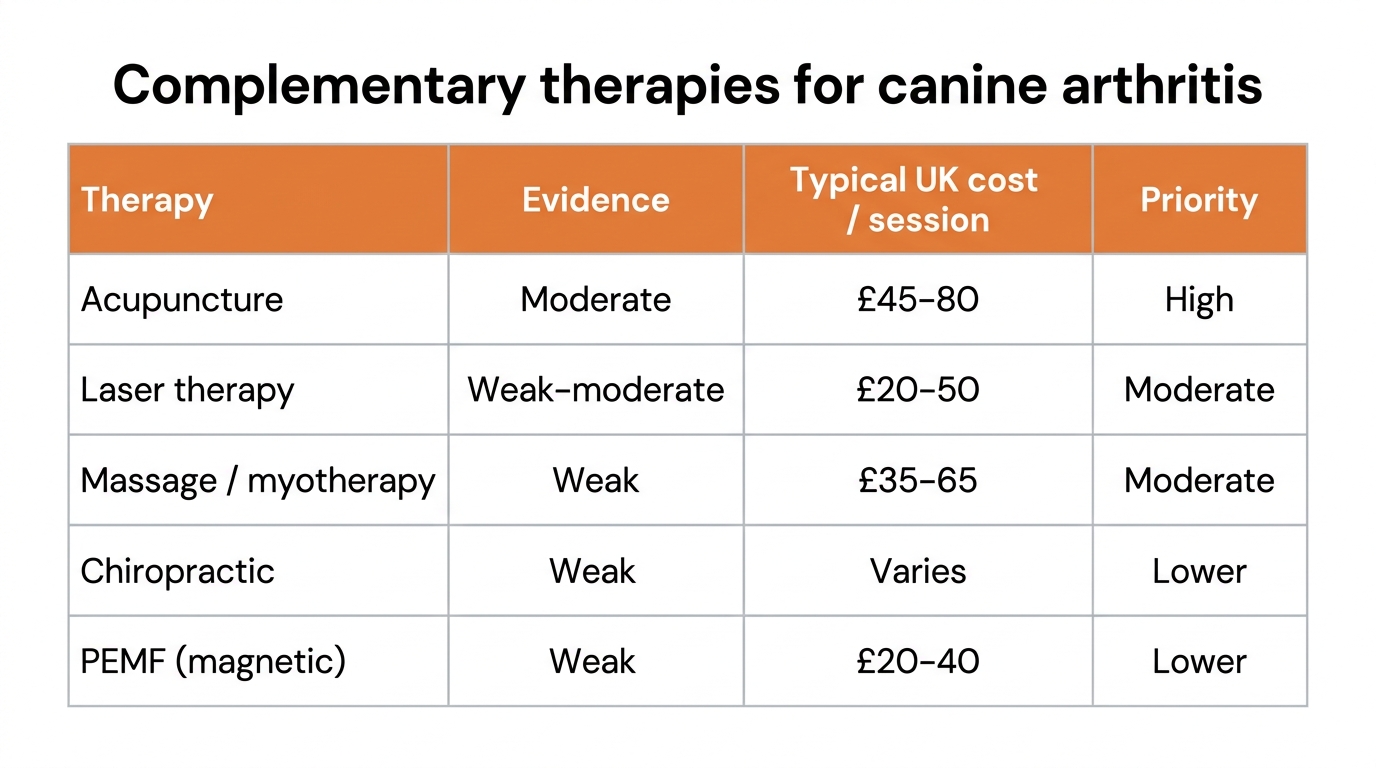
For most complementary therapies in canine arthritis, we're working with weak to moderate evidence. That doesn't mean they don't work; it means the formal proof we'd ideally have isn't fully there yet. Many therapies that ultimately turn out to be effective spent years in the "weak evidence" category before more research emerged. We have to make pragmatic decisions about what's worth trying based on the best evidence available, alongside clinical experience and individual response.
I'll rate the evidence for each modality below using these categories.
Acupuncture
I should be upfront. I've practised veterinary acupuncture for over a decade as part of my clinical work, and I see the results week in, week out. That gives me both real-world insight into what acupuncture can do and an inherent bias you should factor into how you read this section. I've tried to be straightforward about both.
Of all the complementary therapies covered in this article, acupuncture is the one I'd recommend most readily, alongside hydrotherapy. It has the strongest underlying science of the complementary therapies, an excellent safety profile, and broad application across different presentations of arthritis. For many of the dogs I treat, acupuncture is an important component of their pain management.
What it actually is
Acupuncture involves inserting very thin sterile needles into specific points on the body. These points (acupoints) aren't mystical locations. They're anatomically defined sites where nerves, blood vessels, and connective tissue converge, typically in areas of muscle containing motor endplates or trigger points. Modern anatomical study has mapped these points in detail and confirmed their consistent location and structure.
The historical framework comes from traditional Chinese medicine, with concepts of meridians and energy flow. Modern medical acupuncture, which is what most evidence-based veterinary practitioners use, takes a different approach. It applies acupuncture as a form of neuromodulation grounded in current understanding of neuroanatomy, physiology, and pain science. The Western medical approach has dramatically clearer translation to evidence-based clinical practice, and it's how I practise.
When used to enhance the effect, electroacupuncture involves passing a small electrical current through pairs of needles. The current is gentle and most dogs tolerate it without complaint; many find it relaxing. Electroacupuncture has been studied more extensively than dry needling and consistently shows clearer effects in research. For chronic arthritis pain specifically, electroacupuncture is often the more effective modality.
Why it works: well-understood mechanisms
This is one of the things that surprises people. Acupuncture isn't mysterious. Its mechanisms have been studied extensively in laboratory and clinical settings and are described in detail in mainstream texts including the Merck Veterinary Manual. Needle insertion produces a cascade of well-characterised physiological effects:
Local tissue effects. The needle creates a controlled microtrauma that activates local healing and inflammatory responses. This releases mediators including histamine, bradykinin, and nitric oxide, producing vasodilation, increased blood flow, and muscle relaxation. Experimental studies also suggest that acupuncture modulates local inflammatory pathways including COX-2 and may reduce nerve growth factor (NGF) expression at the site. In other words, acupuncture may act on some of the same pathways that NSAIDs and Librela target, but through a completely different mechanism.
Segmental nervous system effects. Needle insertion activates large diameter Aβ sensory nerve fibres, which travel rapidly to the spinal cord and compete with the slower C-fibre pain signals there. This is the gate control mechanism of pain modulation: the dorsal horn of the spinal cord can only process so much sensory information, and acupuncture floods it with non-painful input that crowds out pain signalling.
Descending pain inhibition. This is the big one for chronic arthritis pain. Acupuncture activates the descending inhibitory pathways from the brain that normally dampen pain signals. It triggers release of endogenous opioids (endorphins, enkephalins, dynorphins), serotonin, and noradrenaline throughout the central nervous system. As the neuroscientist Han showed in a series of foundational studies, electroacupuncture at 2Hz preferentially releases enkephalin while 100Hz preferentially releases dynorphin. Different frequencies recruit different pain-modulating systems. We have substantial control over what we're stimulating.
Effects on central sensitisation. The chronic pain of established arthritis isn't just about the joint. The nervous system itself becomes sensitised over time (covered in detail in our article on central sensitisation). Multiple studies suggest acupuncture can reduce this sensitisation through its central effects, which is one of the reasons it can work particularly well in dogs whose pain has been present for years.
Beta-endorphin release. The pituitary releases beta-endorphin into blood and cerebrospinal fluid during acupuncture, producing analgesia that can persist for hours to days after the session ends. This is why a 30-minute session can have effects lasting until the next treatment.
This is genuine neurophysiology. The same mechanisms that make morphine and tramadol work are being activated through needle stimulation, just through different pathways and with none of the systemic side effects of opioid medications.
What the research shows
The veterinary clinical trial evidence is more limited than I'd ideally like, but it's growing, and it's complemented by a substantial human pain medicine evidence base and extensive mechanism research. Let me give you a fair summary of where it stands.
A 2016 randomised controlled study by Teixeira and colleagues in the Journal of the American Veterinary Medical Association compared acupuncture, gold beads, firocoxib and carprofen in dogs with hip dysplasia. Acupuncture produced improvements in owner-assessed pain scores and objective gait analysis comparable to the NSAID arms.
A 2014 small randomised controlled pilot trial by Shmalberg and colleagues looked at electroacupuncture in dogs recovering from cruciate ligament surgery and suggested improved outcomes in the treatment group. The sample was small and the publication is in a non-PubMed-indexed veterinary acupuncture journal, so it's a piece of supporting evidence rather than a definitive trial.
A 2017 study by Silva and colleagues in the Canadian Veterinary Journal, in a case series of dogs with a range of musculoskeletal and neurological conditions, reported significant improvements in pain and quality of life scores with acupuncture treatment.
A 2024 Veterinary Evidence Knowledge Summary by Gong and Thompson, looking specifically at acupuncture as a sole analgesic for canine chronic pain, identified four randomised controlled trials and concluded the evidence is currently insufficient to recommend acupuncture as a stand-alone treatment, with three of the four trials finding no benefit over placebo. That's an important context. The clinical case for acupuncture in canine arthritis is not as a replacement for other treatments. It's as one component of multimodal management. The 2024 summary doesn't change that case, but it does sharpen what we should and shouldn't claim.
On the human side, the 2018 individual-patient-data meta-analysis by Vickers and colleagues, drawing on data from over 20,000 patients across 39 trials, concluded that acupuncture effects in chronic pain (including knee osteoarthritis) cannot be explained by placebo alone. The effect sizes are modest but statistically reliable and persist over time. The same physiological mechanisms that operate in humans operate in dogs.
Mechanism research has accelerated in the past two decades. We now have detailed understanding of how acupuncture affects pain pathways at local, spinal, and central nervous system levels. The biology has caught up with what clinicians have been observing.
In my own practice, the response rate to acupuncture for chronic arthritis pain is approximately 80%, used as part of a multimodal plan rather than alone. That figure aligns with what experienced clinicians worldwide report. About one in five dogs doesn't respond meaningfully, and we don't yet fully understand why. The remaining 80% show response ranging from modest improvement to dramatic transformation. The reasonable reading of this, combined with the veterinary literature, is that acupuncture is a worthwhile adjunct for most arthritic dogs whose pain isn't fully controlled by other means, not a substitute for primary treatment.
What I see clinically
Numbers and mechanisms only tell part of the story. Let me describe the patterns I actually see in practice.
The dog who's been on NSAIDs for years and is no longer responding adequately. We add acupuncture and the owner reports that the morning stiffness is dramatically better within a few sessions. The dog who can no longer manage the stairs. After a course of treatment, they're climbing carefully again. The senior dog whose owners had assumed was "just slowing down" and was being kept comfortable on medication. Acupuncture brings them noticeably back to life. They engage more, play more, sleep more soundly.
The dog with central sensitisation, whose pain seems disproportionate to their X-ray findings, often responds particularly well. The dog with multi-joint disease, where finding one drug to cover everything is difficult, often does well because acupuncture treats the whole nervous system rather than one location. The dog with concurrent kidney disease, where NSAIDs are problematic and pain control options are narrower, can have their treatment plan transformed by adding acupuncture.
I've had dogs whose owners had genuinely been considering euthanasia for quality of life reasons, where acupuncture brought back enough function and comfort to give them another year or two of good life. That's not exaggeration. That's the actual difference acupuncture can make in the right patient.
I've also had dogs who didn't respond, despite multiple treatment approaches. Acupuncture isn't a guarantee for any individual patient. But the response rate is sufficient that it's worth trying for many arthritic dogs whose pain isn't fully controlled by other means.
What to expect in a session
A typical acupuncture session for chronic pain lasts 30-45 minutes. The first appointment is longer (60-90 minutes), including a thorough orthopaedic assessment, history-taking, and treatment planning.
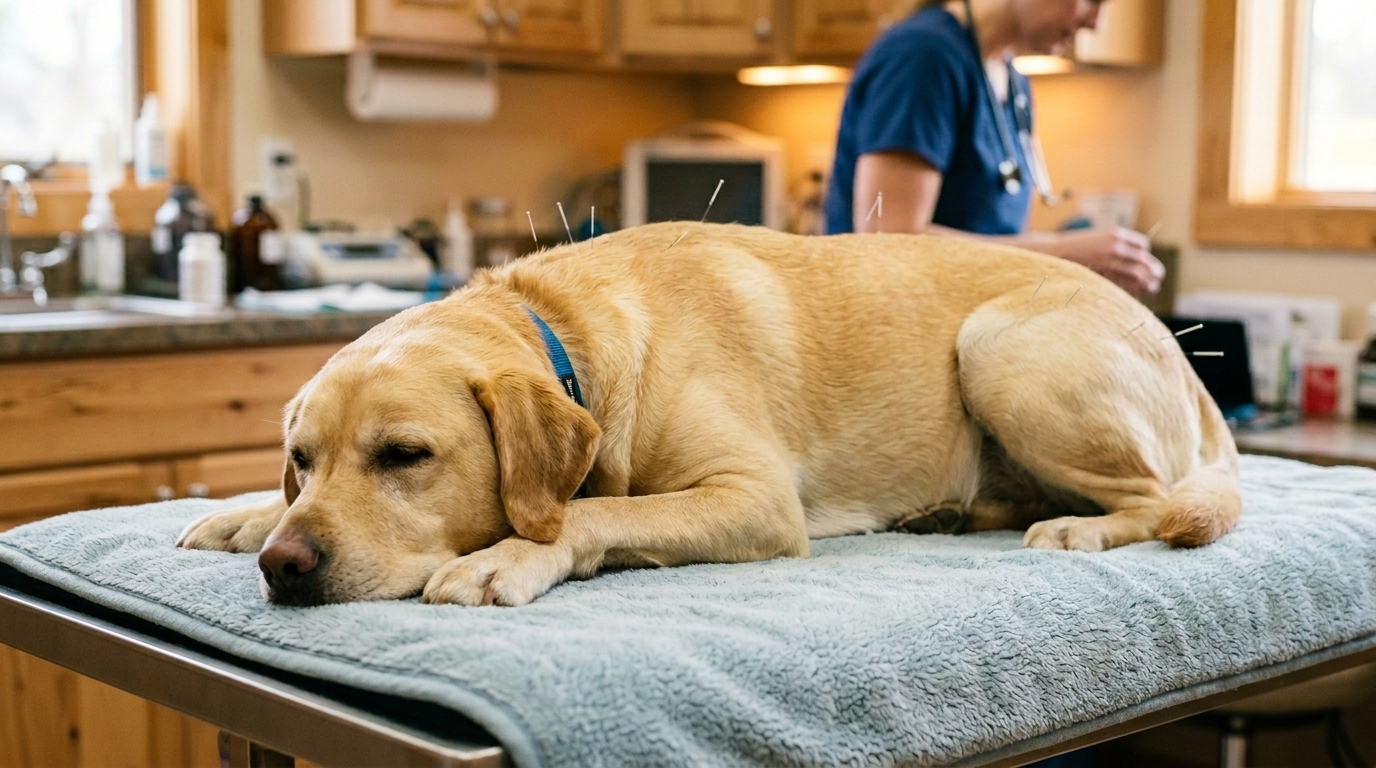
The dog is positioned comfortably on a soft mat or bed. Some prefer to lie down; others stand. Selected needles are inserted into specific acupoints based on the dog's individual problem. The number varies from a handful for a localised issue to twenty or more for a dog with multi-joint or spinal involvement.
Most dogs tolerate the needles remarkably well. The insertion usually produces no obvious response; the needles are fine enough that most dogs don't notice them going in. Many dogs become visibly relaxed during the session, often sleepy, sometimes actually falling asleep. This relaxation isn't incidental. It's part of the therapeutic effect, reflecting activation of the parasympathetic nervous system and release of endogenous opioids.
For electroacupuncture, small clips attach to needle ends to pass gentle electrical stimulation. The current is precisely controlled and the dog's response guides the intensity. Most dogs adapt within seconds and remain comfortable throughout.
Needles are typically left in place for 15-30 minutes, occasionally longer. They're then removed gently, and the dog is monitored briefly before going home. Most dogs leave the session looking calmer and more relaxed than when they arrived. Some show immediate improvement in mobility on the same day; others build response over subsequent sessions.
Treatment frequency and course
The typical protocol I use for chronic arthritis pain:
Loading phase. Weekly sessions for 3-4 weeks to establish response and build cumulative effect.
Spacing phase. Treatments are stretched to every 2 weeks, then 3 weeks, based on how long benefit lasts between sessions.
Maintenance phase. Most dogs settle into a maintenance interval of 3-6 weeks. Some need every 2 weeks; some manage 8 weeks comfortably. The goal is the longest interval that maintains benefit.
Total cost over a year for ongoing maintenance is variable but often comparable to or less than the cost of additional pharmaceutical interventions.
Some dogs need treatment indefinitely; arthritis is a chronic condition and ongoing intervention maintains comfort. Others have longer-lasting effects and can have treatments paused with re-introduction as needed. The flexibility is one of acupuncture's strengths.
Realistic costs
UK acupuncture sessions typically cost £45-80 for follow-up appointments, with initial assessments £75-150 depending on complexity and location. A typical loading phase costs £200-400. Ongoing maintenance is £50-100 per month equivalent, depending on frequency.
Many pet insurance policies cover acupuncture when performed by a veterinary surgeon following appropriate clinical assessment. Check your policy specifically.
Which dogs benefit most
In my experience, the patients who do best with acupuncture include:
- Dogs with chronic musculoskeletal pain that's been present for months or years
- Dogs with multi-joint or spinal involvement where systemic treatment is challenging
- Dogs with central sensitisation features (pain disproportionate to imaging findings, poor response to standard analgesics)
- Dogs who can't tolerate NSAIDs (kidney disease, gastrointestinal sensitivity, liver issues)
- Older dogs with comorbidities limiting pharmaceutical options
- Dogs whose owners want a maximally multimodal approach
- Dogs with neurological pain components (disc disease, neuropathies)
- Dogs being prepared for or recovering from orthopaedic surgery
- Dogs with cancer pain (though this is beyond the scope of this article)
Acupuncture is less suited to:
- Acute injury or very early disease where simpler interventions suffice
- Dogs with extreme handling anxiety where session stress outweighs benefit
- Cases where the diagnosis remains unclear (treatment without diagnosis is rarely the right approach)
For many arthritic dogs whose pain isn't fully managed by other means, acupuncture is worth considering. The safety profile is excellent and the option to discontinue without consequence makes it a low-risk trial.
Finding a qualified veterinary acupuncturist
This matters. Acupuncture in the UK should be performed by a qualified veterinary surgeon. There are several reasons:
Legal. The Veterinary Surgeons Act restricts acupuncture in animals to veterinary surgeons. Practitioners who aren't vets cannot legally perform acupuncture on dogs in the UK, regardless of their qualifications in human acupuncture or other animals.
Clinical. Acupuncture is most effective when integrated with proper clinical diagnosis and overall pain management. A practitioner who can examine the dog, interpret imaging, prescribe medication, and adjust the broader treatment plan is fundamentally better positioned than someone working in isolation.
Safety. A veterinary surgeon recognises contraindications, identifies underlying conditions that need attention, and responds appropriately to any adverse events.
The Association of British Veterinary Acupuncturists (ABVA) maintains a searchable directory of qualified members at abva.co.uk. ABVA members have completed accredited training and continue professional development in the field.
What to look for in a practitioner:
- Veterinary surgeon (MRCVS) with specific acupuncture training
- Member of ABVA or equivalent recognised body
- Working within a veterinary practice or as part of veterinary care
- Practising medical/scientific acupuncture, able to explain mechanisms clearly
- Willing to communicate with your primary vet
- Realistic about outcomes; doesn't claim to cure chronic disease
What to avoid:
- Non-veterinary practitioners offering acupuncture on dogs (this isn't legal in the UK)
- Practitioners making strong claims of curing arthritis or other chronic conditions
- High-pressure sales of large packages upfront
- Practitioners unwilling to communicate with your primary vet
Verdict
Acupuncture is, in my view, an undervalued adjunct in the canine arthritis toolkit. The mechanisms are well understood. The human pain medicine evidence is solid. The veterinary trial evidence is more limited and includes both supportive and negative findings, particularly for acupuncture used in isolation. The clinical response in my practice and the broader veterinary literature, when used as part of a multimodal plan, is good. The safety profile is excellent.
For owners reading this, my clinical opinion: if your dog has chronic arthritis pain that isn't fully controlled, acupuncture is reasonable to add to their plan. If your dog can't take NSAIDs for any reason, it moves further up the priority list. If they have central sensitisation features, more important still. As a sole therapy for canine chronic pain, the formal evidence is currently insufficient and acupuncture shouldn't be presented that way.
It's not a cure. Nothing is. But for chronic pain management as part of a complete plan, acupuncture is one of the tools that genuinely changes outcomes for many dogs. If you're considering it, find a qualified veterinary acupuncturist near you through the ABVA directory and have a proper consultation.
Laser therapy (photobiomodulation)
Evidence rating: Weak to moderate
Veterinary laser therapy has become increasingly available over the past decade, often offered by physiotherapy practices, rehabilitation clinics, and some general practice vets.
What it is
Therapeutic lasers use specific wavelengths of light (typically infrared) to penetrate tissues and produce biological effects. The proper term for the therapeutic application is photobiomodulation. Veterinary lasers are typically classified as Class IIIB (low-level laser therapy) or Class IV (high-power therapy lasers).
The light energy is absorbed by chromophores in tissues, particularly cytochrome c oxidase in mitochondria. This is thought to trigger downstream effects including increased ATP production, modulation of inflammatory cascades, and enhanced cellular function.
How it actually works
The proposed mechanisms include:
- Increased cellular energy (ATP) production
- Reduced inflammatory cytokine production
- Modulation of nitric oxide levels
- Enhanced microcirculation
- Reduced oxidative stress
- Effects on nerve conduction and pain signalling
Whether all of these translate into clinical benefit at the doses used in veterinary practice is an open question.
What the research shows
The evidence base is variable. Some studies show benefit; others don't. The challenge with laser therapy research is that there are many variables: wavelength, power, dose (joules per cm²), treatment frequency, target tissue depth, and the specific condition treated. Comparing studies is difficult because each uses different parameters.
Some published studies in dogs with arthritis have shown improvements in lameness, gait parameters, or owner-assessed pain. Other studies have shown minimal effect. The 2024 Pye et al. review of non-pharmaceutical treatments for canine osteoarthritis in the Journal of Small Animal Practice concluded that the evidence base for photobiomodulation is currently insufficient to support strong recommendations, though some benefit appears possible.
In practice, some dogs appear to benefit visibly from laser therapy; others show no obvious response. Predicting which is which is difficult.
What to expect in a session
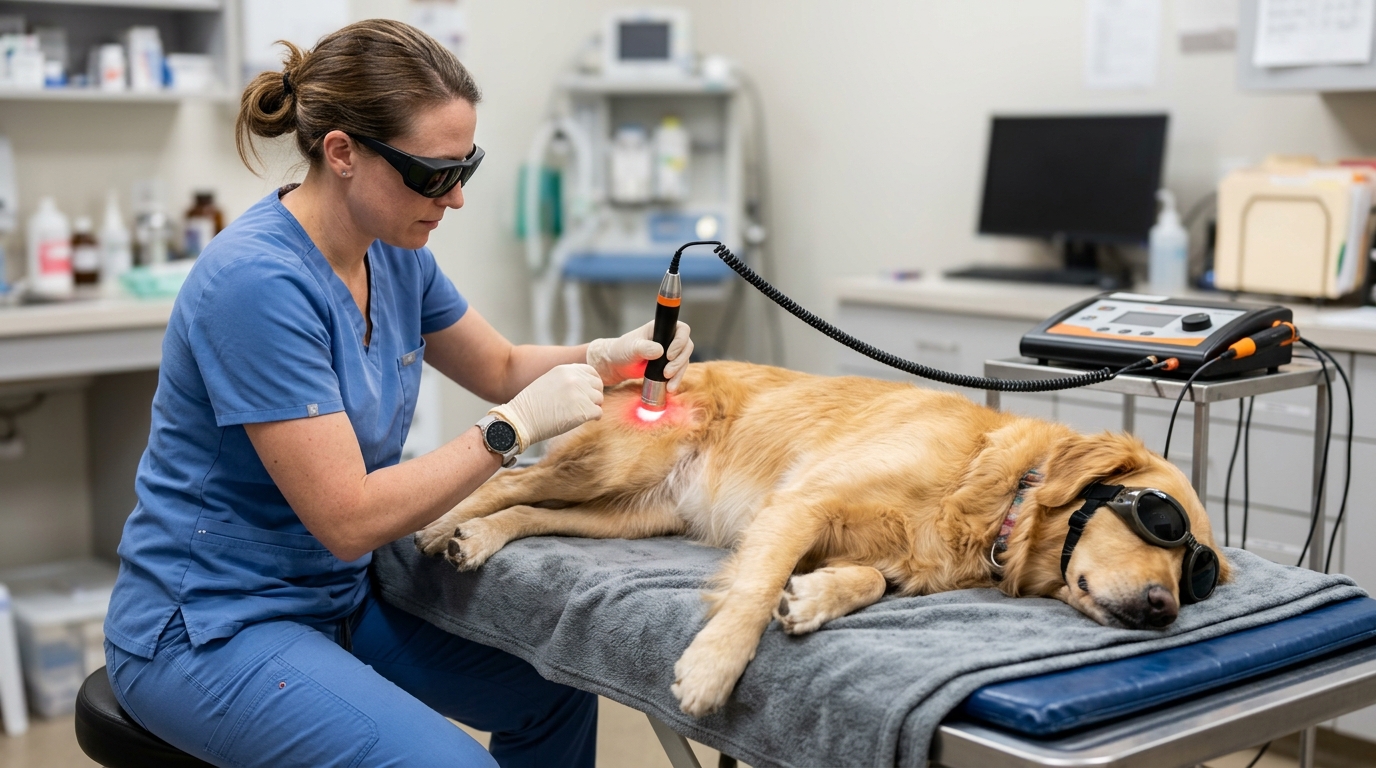
Laser sessions are typically brief, usually 10-20 minutes total. The dog is positioned comfortably and the practitioner moves the laser probe over the treatment area. The dog wears protective eyewear (lasers can damage the retina). Treatment areas are usually shaved or the fur parted to allow light penetration.
Most dogs tolerate laser well. The procedure is non-invasive and painless. Some dogs find it relaxing; others find the duration of staying still tedious.
A typical course of treatment is 6-8 sessions, often starting 2-3 times per week and reducing frequency as the dog responds.
Realistic costs
UK laser therapy sessions typically cost £20-50 per session. Many practices offer block bookings at reduced rates. Total cost for an initial course is often £150-300.
Who benefits
Laser therapy is sometimes useful for:
- Localised areas of muscle or joint pain
- Post-surgical recovery
- Dogs with specific trigger points or muscle tension
- As adjunctive treatment for chronic pain
It's less useful as a standalone treatment for systemic chronic disease.
Finding a practitioner
In the UK, laser therapy is performed by veterinary surgeons, veterinary nurses, and qualified veterinary physiotherapists. Look for:
- Working within veterinary practice or by veterinary referral
- Clear treatment protocols, not vague claims
- Appropriate equipment maintenance and safety practices
Verdict
Laser therapy has plausible mechanisms and some supportive evidence but the picture is less clear than for acupuncture. It's reasonably safe, not very expensive per session, and may be worth trying as an adjunct for some dogs. I wouldn't make it the centrepiece of a treatment plan, but as part of a broader multimodal approach with other proven interventions, it has a place.
Massage and myotherapy
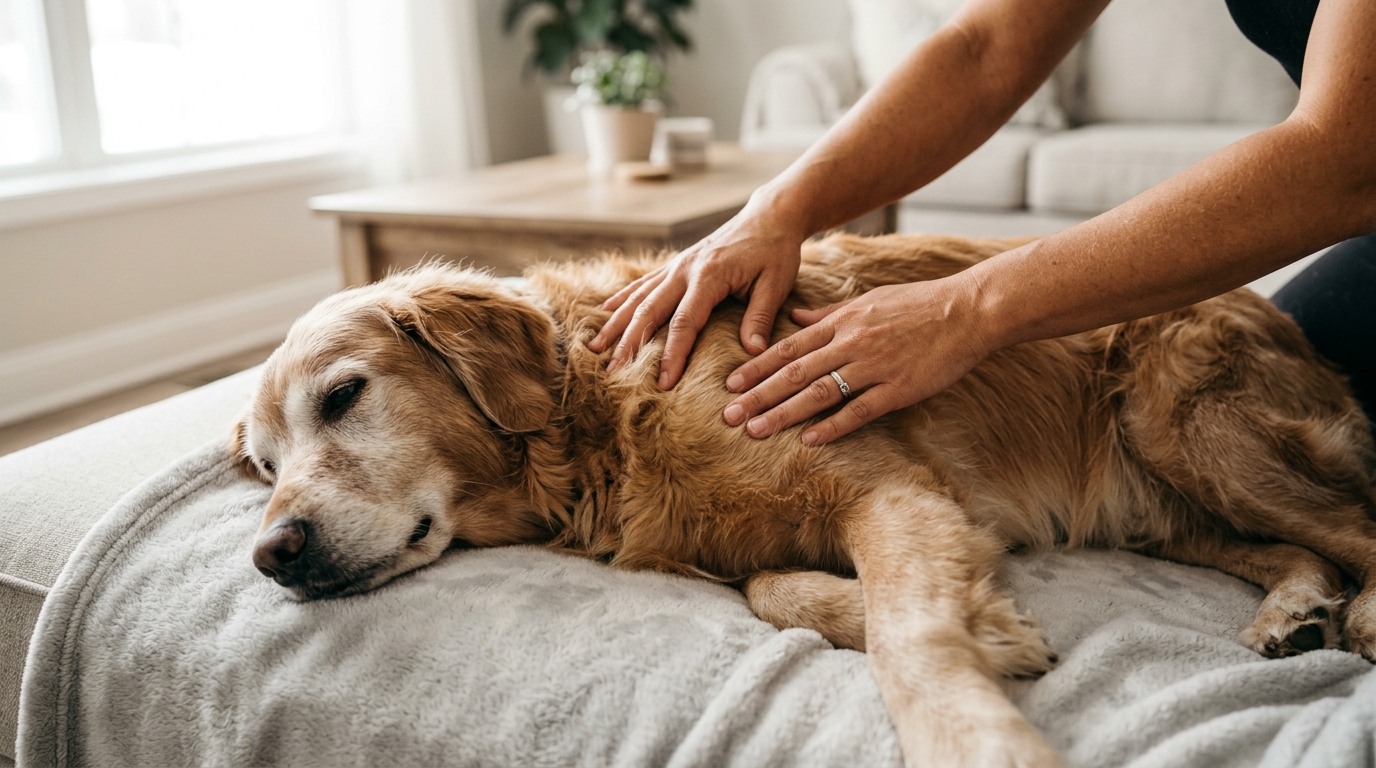
Evidence rating: Weak
Therapeutic massage for dogs has become increasingly popular, with various specialised techniques and qualifications available.
What it is
Massage involves manipulation of soft tissues (muscle, fascia, tendon) through manual pressure and movement. Techniques range from gentle effleurage to deeper trigger point work to specific myofascial release techniques.
For arthritic dogs, the rationale is that the chronic pain and altered movement patterns of arthritis lead to compensatory muscle tension and trigger points. These secondary problems contribute to discomfort and can be addressed through massage. Massage may also support circulation, lymphatic drainage, and general relaxation.
What the research shows
The research base for therapeutic massage in canine arthritis specifically is thin. Most published work focuses on massage as part of broader rehabilitation programmes rather than as a standalone intervention. The available evidence suggests:
- Massage as part of rehabilitation programmes is generally beneficial
- Owner-administered gentle massage may reduce dog stress and improve owner-pet bond
- Specific therapeutic effects on arthritic pain are harder to demonstrate in controlled studies
That said, the mechanism is plausible (reducing secondary muscle tension and trigger points should improve comfort), the safety profile is good, and the cost can be modest, particularly if owners are trained to do basic massage at home.
What to expect in a session
Professional massage sessions are typically 30-60 minutes. The therapist assesses the dog's muscle tone, identifies areas of tension, and applies techniques tailored to those findings. Most dogs find massage relaxing; some find it stressful initially and need gradual desensitisation.
For at-home massage, the techniques are simpler. We have a dedicated home physiotherapy article that covers basic massage approaches owners can use.
Realistic costs
Professional canine massage in the UK typically costs £35-65 per session. Many therapists offer initial assessment plus a course of treatment, often £150-300 for a course of 4-6 sessions.
Finding a practitioner
In the UK, look for therapists certified by:
- The Canine Massage Therapy Centre
- The Canine Massage Guild
- International Federation of Animal Practitioner Trainers
- Or veterinary physiotherapists who include massage in their practice
Make sure the therapist works by veterinary referral. The Royal College of Veterinary Surgeons (RCVS) requires that animal therapy be done with veterinary involvement.
Verdict
Massage is probably underutilised relative to its potential. It's safe, often enjoyable for dogs, and the mechanism makes sense. The evidence base is weaker than for acupuncture or hydrotherapy, but the safety and pleasure factor make it a reasonable inclusion in a comprehensive plan. Worth considering, particularly if you can either find a good local therapist or learn basic techniques to use at home.
Animal chiropractic / spinal manipulation
Evidence rating: Weak
This is one of the more controversial complementary therapies, with strong opinions on both sides.
What it is
Animal chiropractic involves manipulation of the spine and other joints, typically through specific manual adjustments. The theoretical framework is similar to human chiropractic, focusing on what practitioners call "subluxations" of the spine that are claimed to affect health.
What the research shows
The scientific evidence for animal chiropractic specifically is limited. Most claims rest on extrapolation from human chiropractic research, which itself has variable evidence depending on the specific condition.
Some dogs do appear to respond to chiropractic treatment, particularly those with neck or back problems. Whether this is from the chiropractic adjustment specifically, the related manual therapy effects, or simply the supportive contact during treatment is harder to establish.
The risks are real if done by unqualified practitioners. Spinal manipulation in a dog with undiagnosed disc disease, fracture, neoplasia, or instability could be harmful.
Finding a practitioner
If you're considering chiropractic for your dog:
- Use practitioners certified by recognised organisations (McTimoney, the Royal College of Chiropractors animal chiropractic certification, or similar)
- Insist on veterinary diagnosis before treatment
- The practitioner should be willing to communicate with your vet
Avoid practitioners making strong claims about treating systemic disease through spinal manipulation.
Verdict
I'm cautious about chiropractic for dogs. The evidence base is weak, the risks are real if done poorly, and many of the same benefits (improved range of motion, reduced muscle tension, pain relief) can be achieved more safely through massage, physiotherapy, or acupuncture. I wouldn't rule it out for individual dogs, but it wouldn't be near the top of my list of recommendations.
If you do consider it, make sure the practitioner is properly qualified and works with veterinary input.
Magnetic field therapy / PEMF
Evidence rating: Weak
Pulsed electromagnetic field (PEMF) therapy and various magnetic field interventions have been used in both human and veterinary medicine for decades.
What it is
PEMF devices generate pulsed electromagnetic fields that are claimed to influence cellular processes including ATP production, membrane potential, and inflammatory responses. Static magnets, sometimes incorporated into beds or collars, are a separate category with even weaker evidence.
What the research shows
PEMF has some research support in human orthopaedic conditions, particularly bone healing. The veterinary evidence is thinner and mixed.
A few studies in dogs have shown some benefit for post-surgical recovery and bone healing. Evidence for arthritis pain reduction specifically is weaker.
Static magnet therapy (magnetic beds, collars) has essentially no robust evidence of benefit beyond placebo (placebo for the owner; dogs don't have placebo responses in the same way).
Realistic costs
PEMF devices for veterinary use range from a few hundred pounds for home-use devices to thousands for clinical units. Treatment at a practice using a PEMF device might cost £20-40 per session.
Magnetic beds and accessories range from £30-100+ depending on brand and claims.
Verdict
PEMF has plausible mechanism and some evidence in specific applications, but the overall evidence for canine arthritis pain is weak. Probably not harmful, possibly modestly helpful for some dogs, but not high on the priority list.
Static magnetic products (beds, collars) I'd not recommend spending money on. The evidence is essentially absent and the marketing claims rarely stand up to scrutiny.
Therapeutic ultrasound
Evidence rating: Weak
Therapeutic ultrasound uses sound waves to produce thermal and non-thermal effects in tissues. It's commonly used in human physiotherapy and has crossed over into veterinary rehabilitation.
What it is
A handheld probe delivers ultrasonic waves through a coupling gel to the treatment area. The waves penetrate tissue and produce mechanical vibration and heating effects, depending on the settings used.
What the research shows
The evidence for therapeutic ultrasound in canine arthritis is limited. Some research shows benefits for specific musculoskeletal conditions (tendinopathies, muscle injuries) but the application to chronic arthritis pain is less clearly supported.
In human physiotherapy, therapeutic ultrasound has actually fallen somewhat from favour as evidence has accumulated showing modest effects at best for many indications.
Verdict
Probably not harmful, possibly modestly helpful for some specific applications. Not a priority intervention for arthritis specifically. If a veterinary physiotherapist includes it as part of a broader rehabilitation programme, that's reasonable. As a standalone treatment, less compelling.
Other modalities I'm not covering in detail
A few therapies I'll mention briefly without detailed treatment:
Reiki and energy healing. No scientific evidence of mechanism or effect beyond placebo. The owner may find it relaxing; the dog may find the calm contact relaxing. As long as it's not being used instead of conventional treatment, it's harmless. Don't pay much for it.
Homeopathy. The research evidence in both human and veterinary applications consistently fails to show effects beyond placebo. Not recommended.
Aromatherapy. Some essential oils may have mild relaxing effects but are not effective treatments for arthritis pain. Many oils are toxic to cats and some to dogs. Use with caution and don't rely on it.
Crystal therapy and similar approaches. No scientific basis. Spend the money on something with evidence.
Building a sensible plan
If you're considering complementary therapies for your arthritic dog, here's how I'd approach it:
Get the foundations right first. Pain medication, weight management, appropriate exercise, environmental modifications, evidence-based supplements. Don't reach for complementary therapies while the basics are unsorted.
Consider hydrotherapy early. Covered in detail in our dedicated article. Strong evidence base, widely available, often genuinely transformative for arthritic dogs. Probably the first complementary therapy I'd add for most dogs.
Add acupuncture if pain control needs enhancement. Particularly useful for dogs with central sensitisation, multi-joint disease, or where NSAIDs are problematic. Reasonable mechanism, useful as an adjunct.
Consider physiotherapy and massage for dogs whose movement quality is compromised. Either through professional practitioners or through learned home techniques.
Be more cautious about laser, chiropractic, PEMF, and others. These have weaker evidence. Not unreasonable to try as adjuncts, but don't make them your primary intervention.
Avoid the "kitchen sink" approach. Some owners enrol their dog in multiple complementary therapies simultaneously, hoping that something will work. The result is high cost, exhausted dog, and inability to know what's helping. Better to introduce one new modality at a time and assess response over 4-8 weeks.
How to evaluate any complementary therapy
When someone recommends a new complementary approach, ask:
What's the actual evidence? Specific studies in dogs with the condition being treated, ideally controlled trials, not testimonials.
What's the mechanism? Is there a biological plausibility to how it should work?
Who's offering it? Are they qualified? Do they work with veterinary input?
What does it cost? Both per session and over a typical course of treatment.
What's the expected response timeline? How will you know if it's working?
What are the risks? Most complementary therapies are safe, but not all are.
Is it being recommended as a complement or a replacement? Therapies promoted as alternatives to conventional medicine deserve extra scrutiny.
A final thought
The complementary therapy space contains a mix of genuinely useful interventions backed by reasonable evidence (acupuncture as an adjunct, hydrotherapy, physiotherapy), modestly supported approaches that may help some dogs (laser, massage, PEMF), and things with no real evidence at all (homeopathy, reiki, crystals).
The challenge for owners is that all of these are often presented with similar marketing confidence. The supplements industry has the same problem; loud claims aren't the same as evidence.
Use the framework above to evaluate what you're being offered. Lean toward modalities with reasonable evidence and clear mechanisms. Be cautious about high-pressure marketing or claims of curing chronic disease. And remember that complementary therapies are additions to conventional care, not replacements for it.
Your arthritic dog deserves the best combination of approaches available, used thoughtfully. With sensible choices, complementary therapies can meaningfully add to their quality of life. With unwise choices, they can drain your resources without helping.
References
- Teixeira LR, Luna SP, Matsubara LM, et al. Owner assessment of chronic pain intensity and results of gait analysis of dogs with hip dysplasia treated with acupuncture. Journal of the American Veterinary Medical Association, 2016;249(9):1031-1039.
- Shmalberg J, Burgess J, Davies W. A randomized controlled blinded clinical trial of electro-acupuncture administered one month after cranial cruciate ligament repair in dogs. American Journal of Traditional Chinese Veterinary Medicine, 2014;9(2):41-47.
- Silva NEOF, Luna SPL, Joaquim JGF, Coutinho HD, Possebon FS. Effect of acupuncture on pain and quality of life in canine neurological and musculoskeletal diseases. Canadian Veterinary Journal, 2017;58(9):941-951.
- Gong J, Thompson MF. Assessing the efficacy of acupuncture as the sole analgesic for canine chronic pain. Veterinary Evidence, 2024;9(1).
- Vickers AJ, Vertosick EA, Lewith G, et al; Acupuncture Trialists' Collaboration. Acupuncture for chronic pain: update of an individual patient data meta-analysis. Journal of Pain, 2018;19(5):455-474.
- Han JS. Acupuncture: neuropeptide release produced by electrical stimulation of different frequencies. Trends in Neurosciences, 2003;26(1):17-22.
- Pye C, Clark N, Bruniges N, Peffers M, Comerford E. Current evidence for non-pharmaceutical, non-surgical treatments of canine osteoarthritis. Journal of Small Animal Practice, 2024;65(1):3-23.
Sister tool · Sightline
Track whether treatment is working
Sightline, a separate ConciergeVet tool, runs a short weekly check-in built on validated pain and mobility instruments, turns it into a single Sightline Score you can watch trend over weeks rather than judge on one bad day, and produces a report you can bring to your vet.
A written log, or our printable trackers, does much the same job.
See how Sightline tracks treatmentSee where your pet stands today
Tracking is the other half of managing arthritis. Take the 2-minute Mobility Check to see your pet's stage, then watch it shift as treatment takes effect.
Take the Mobility CheckYou're not doing this alone
Compare treatment journeys and talk to owners managing arthritis. Free to join.
Join PetsLikeMine