

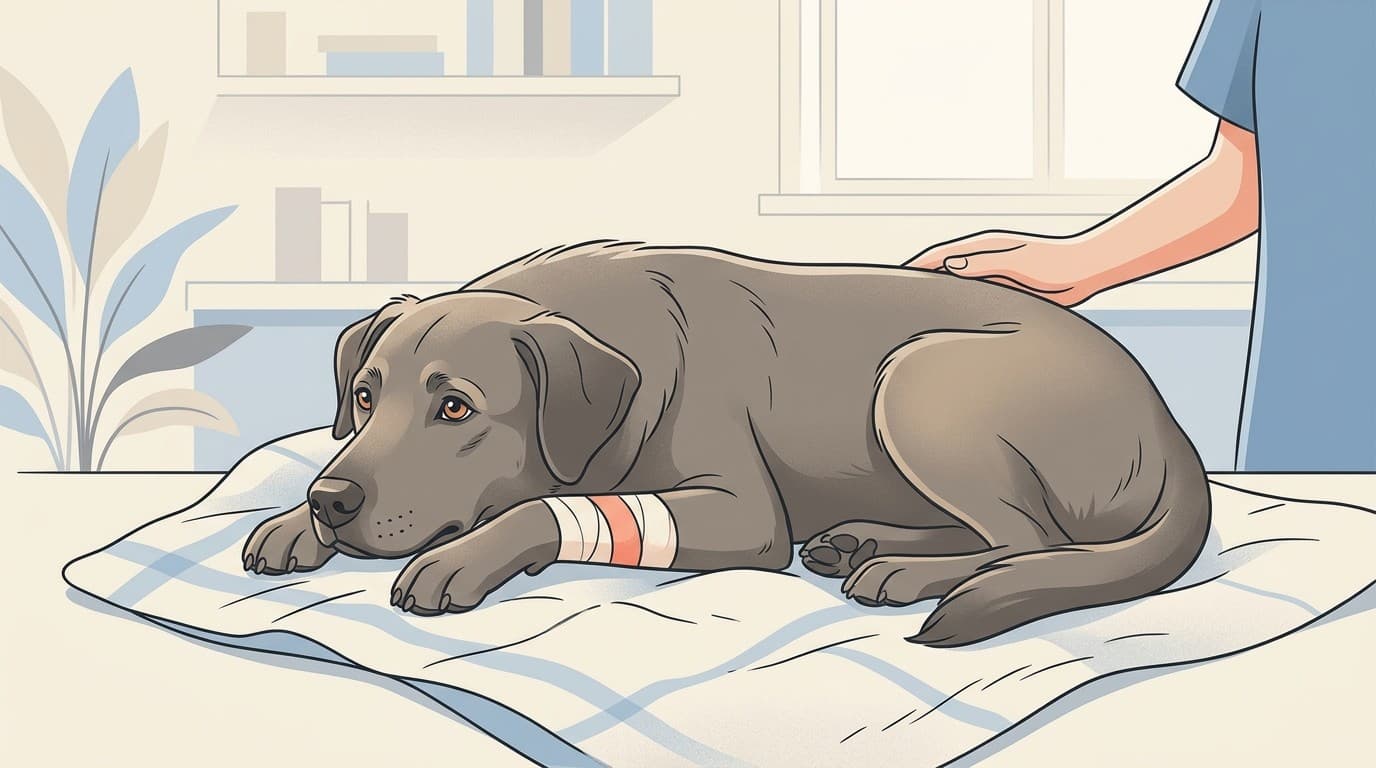
Treating IMHA: Immunosuppression, Transfusions and the Critical First Weeks
Alastair Greenway
BVM&S MRCVS
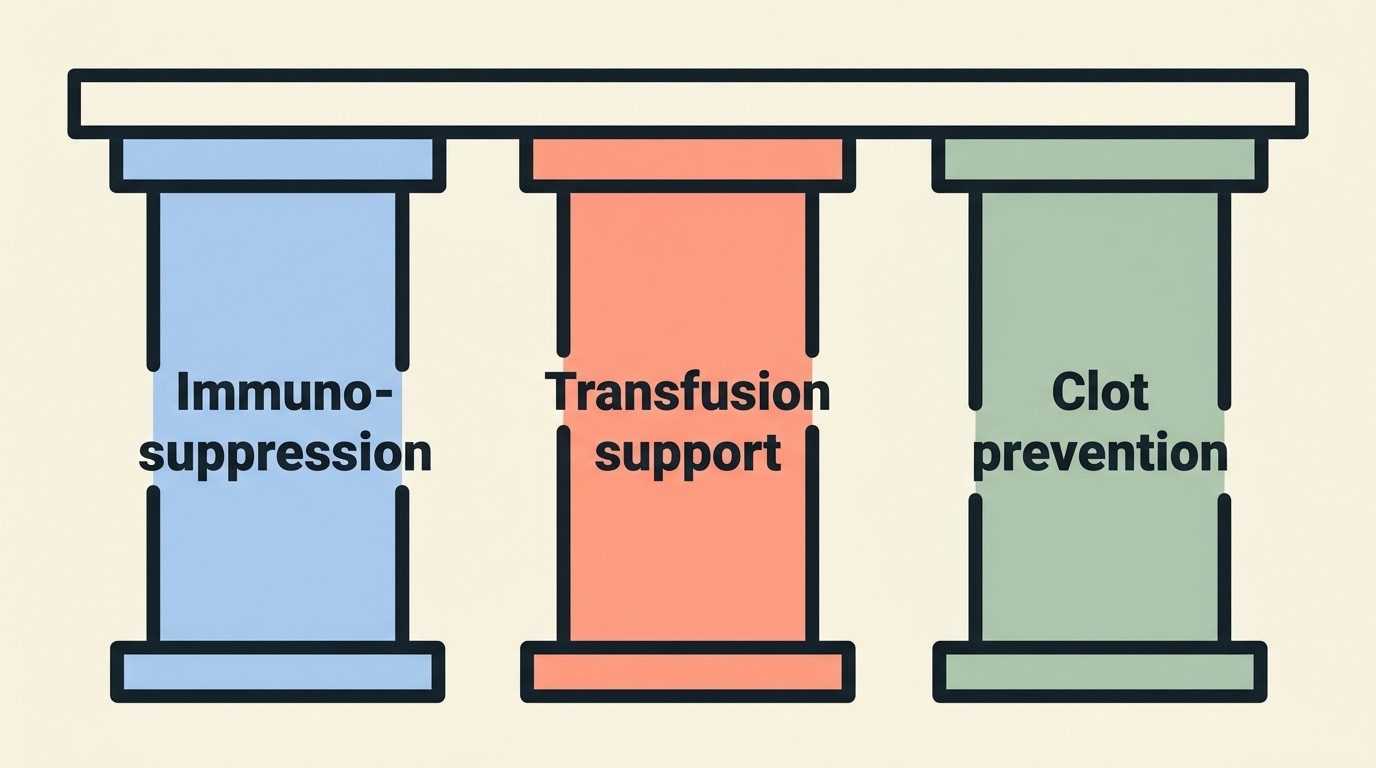
Treating immune-mediated haemolytic anaemia (IMHA) means switching off an immune system that is destroying your dog's own red blood cells, while supporting them through the dangerous early days. It usually combines immunosuppressive medicines, clot prevention and, often, blood transfusions. It is intensive and not cheap, but for many dogs it works.
This guide walks through what treatment honestly involves: the medicines that do the real work, why transfusions buy time rather than cure, the serious and sometimes overlooked risk of blood clots, and what the first one to two weeks are really like. If you would like to understand what the disease itself is and how it is diagnosed first, our guide to IMHA in dogs explained is the place to start. For what life looks like once the crisis is over, see our guide to IMHA recovery and relapse.
Calming the immune system is the cornerstone
In IMHA, the immune system has mistakenly flagged your dog's red blood cells as enemies and is destroying them faster than the body can replace them. No transfusion or supportive measure fixes that underlying problem. The only thing that does is suppressing the overactive immune response, and that is the cornerstone of every IMHA treatment plan.
Treatment almost always starts with a corticosteroid, usually prednisolone. Corticosteroids are powerful, fast-acting immunosuppressants and they remain the first-line choice in the ACVIM consensus guidelines, the most authoritative veterinary reference on treating this disease. The encouraging news is that the majority of dogs do respond: the consensus panel notes an initial response rate to glucocorticoids of around 80 per cent.
The catch is time. Steroids do not work instantly. It typically takes several days, often somewhere between three and seven days, before the immune attack is brought under control and red cell numbers begin to stabilise. Those first few days, before the medicine takes hold, are exactly when your dog is most vulnerable, which is why so much of the early effort goes into supporting them through that window.
A second immunosuppressant is often added. In more severe cases, or when steroids alone are not holding the line, your vet may add a second immunosuppressive drug such as mycophenolate, azathioprine or ciclosporin. The ACVIM guidelines suggest considering a second agent when the disease is severe or immediately life-threatening at presentation, when the packed cell volume keeps falling despite treatment in the first week, when a dog is still dependent on transfusions after about a week, or when the steroid dose needed would cause unacceptable side effects (a particular concern in large dogs).
Two things make a second drug worth reaching for. The first is simply to get more control over an aggressive disease. The second is to allow the steroid dose to come down sooner, because long-term high-dose steroids cause their own well-known problems: heavy drinking and urinating, ravenous appetite, panting, muscle weakness and weight gain. Honestly, the evidence that adding a second drug improves survival is not as strong as anyone would like, and the consensus panel says as much. Which drug your dog receives, and whether a second one is added at all, is a judgement your vet makes for your individual dog. There is no single correct recipe, and your vet will weigh up severity, your dog's size, other health conditions and how they are responding.
Blood transfusions buy time, they don't cure
When anaemia becomes severe enough that your dog's tissues are struggling to get enough oxygen, a blood transfusion can be life-saving. Many dogs with IMHA need one, and some need several, particularly during the first week while the immunosuppressants are still taking effect.
It helps to be clear about what a transfusion does and does not do. It is supportive, not curative. It tops up the red cells that are being lost, raising the oxygen-carrying capacity of the blood and giving your dog the reserves to stay alive while the real treatment, the immunosuppression, gets the upper hand. It does nothing to stop the immune attack itself, so transfused cells can also be destroyed, which is why transfusions are a bridge rather than a destination.
In practice, your vet will usually give packed red blood cells, ideally fresh, from a screened canine blood donor, and a blood-typing or cross-matching test is often done first to reduce the risk of a reaction. There is no single magic number that triggers a transfusion. The decision rests on how your dog is coping clinically (weakness, rapid breathing, a racing heart, collapse) rather than on the blood count alone. Some dogs sail through on medication and never need a transfusion; others need repeated transfusions over the first few days. One published Royal Veterinary College case described a dog needing four transfusions from three donor dogs in the first three days alone, which gives a sense of how demanding the early phase can be.
The clot risk is easy to underestimate
This is the part of IMHA that catches many owners, and historically some vets, by surprise. Dogs with IMHA are not only at risk from the anaemia itself; they are also at high risk of forming dangerous blood clots. The disease pushes the blood into a "hypercoagulable" (over-clotting) state, and clots that lodge in the lungs (pulmonary thromboembolism) are recognised as one of the leading causes of death in these dogs.
Because of this, clot prevention is a routine, planned part of treatment, not an afterthought. The ACVIM consensus statement makes a strong recommendation that antithrombotic (anti-clotting) medication be given to essentially all dogs with IMHA, with the main exception being dogs whose platelet counts are dangerously low. The guidance is to start it at the time of diagnosis and continue it until the dog is in remission and off steroids.
The medicines used fall into two groups. Antiplatelet drugs such as clopidogrel (and sometimes aspirin) make platelets less sticky. Anticoagulants such as heparin work on the clotting proteins in the blood; the consensus panel notes that an anticoagulant-based approach may be preferred during the first couple of weeks, when the clot risk is highest, because the clots in IMHA tend to be the fibrin-rich type that anticoagulants target. Which combination your dog receives, and at what point, is again your vet's decision, made for your individual dog. The important message for you is simply this: if your dog is on a clot-prevention medicine alongside the steroids, that is exactly as it should be, and it is treating a real and serious risk.
The critical first one to two weeks
If there is one thing to brace yourself for, it is that the early phase is the most dangerous. The consensus guidelines describe the maximum risk period for death from IMHA as the first two weeks after treatment begins. During this window, red cells may still be being destroyed faster than the medicines can stop it, the clot risk is at its peak, and your dog can deteriorate quickly.
For many dogs this means hospitalisation, sometimes in an intensive care setting, often at a referral or specialist centre. Around-the-clock care during this period can involve repeated blood tests to track the red cell count, fluids, oxygen support, gastro-protectant medicines to guard the stomach against the high-dose steroids, transfusions as needed, and close monitoring for signs of a clot. It is intense, it can be frightening to watch, and the updates can swing from one day to the next. That instability is normal for this disease and does not necessarily mean things are going badly.
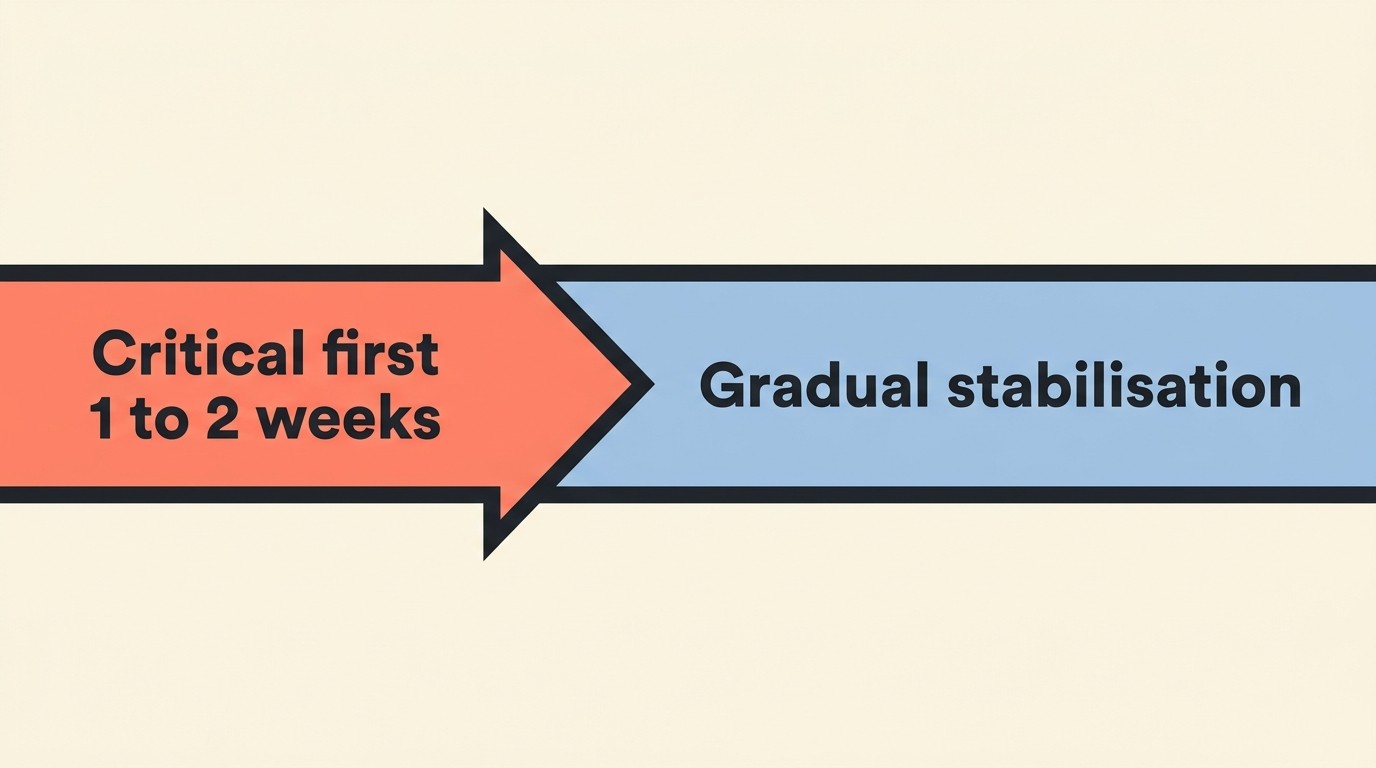
If your dog comes through that first fortnight, the picture usually becomes calmer. The steroid dose is reduced gradually over the following weeks and months, never stopped abruptly, while your vet keeps a close eye on the blood count. Treatment commonly continues for several months in total; the consensus guidelines describe a typical course of around three to six months for steroids and up to eight months for all immunosuppressive treatment combined, tapered slowly to find the lowest dose that keeps the disease asleep.
Being honest about the prognosis
You deserve a straight answer, even though it is not an easy one. IMHA is a serious disease and a meaningful proportion of dogs do not survive, particularly in those first couple of weeks. Reported mortality varies a good deal between studies and centres, broadly in the region of a quarter to two-thirds of dogs, with most deaths (including those where owners and vets make the difficult decision of euthanasia because a dog is not responding) occurring early. Dogs whose disease comes on very rapidly over a few days tend to fare worse than those whose anaemia develops more slowly.
That said, it is genuinely only half the story. Many dogs do survive IMHA, and a large number of those go on to lead full, normal lives once the disease is in remission. The aim of all this intensive early treatment is precisely to carry your dog over the dangerous opening period to reach that better outcome. Relapse is possible, occurring in roughly one in ten dogs in the months after recovery, which is why the medication is reduced slowly and monitored rather than rushed. Our guide to IMHA recovery and relapse covers what to watch for and how the long tail of recovery usually unfolds.
What it tends to cost
There is no kind way to put this, so I will be plain: treating IMHA properly is expensive. The combination of diagnostic work-up, several days (sometimes longer) of hospitalisation or intensive care, one or more blood transfusions, multiple medicines and frequent recheck blood tests means costs commonly run into the low thousands of pounds, and in complicated cases higher still. Blood transfusions and round-the-clock specialist care are the biggest drivers.
This is exactly the kind of illness that pet insurance exists for, and a dog insured before becoming unwell may have most of the bill covered (within their policy limits). If your dog is not insured, please do not let embarrassment stop you. Have a frank, early conversation with your vet about cost. Vets deal with this every day and would far rather help you plan than have you blindsided by a bill. There are often choices to be made about how far to take treatment, what can be done in a general practice versus a referral hospital, and how to stage decisions sensibly. Knowing the likely costs up front lets you make calm decisions for your dog rather than panicked ones.
A realistic note to end on
IMHA is one of the more demanding diseases we treat in dogs, and the honesty above is not meant to frighten you. It is meant to prepare you. The treatment is intensive, the first weeks are genuinely risky, the clot danger is real, and the costs are significant. And yet, with prompt, well-organised care, a great many dogs come through this and return to being their normal selves.
References
- Swann JW, Garden OA, Fellman CL, Glanemann B, Goggs R, LeVine DN, Mackin AJ, Whitley NT. ACVIM consensus statement on the treatment of immune-mediated hemolytic anemia in dogs. Journal of Veterinary Internal Medicine. 2019.
- Garden OA, Kidd L, Mexas AM, et al. ACVIM consensus statement on the diagnosis of immune-mediated hemolytic anemia in dogs and cats. Journal of Veterinary Internal Medicine. 2019.
- PDSA. Immune mediated haemolytic anaemia (IMHA) in dogs. People's Dispensary for Sick Animals. 2024.
- North Downs Specialist Referrals. Immune Mediated Haemolytic Anaemia (IMHA) information sheet. NDSR. 2023.
- Archer TM, Mackin AJ. Management of Immune-Mediated Hemolytic Anemia: A Common Hematologic Disorder in Dogs & Cats. Today's Veterinary Practice. 2014.
- Royal Veterinary College. Kira's Story: a battle against IMHA. RVC Animal Care Trust. 2022.
Keep track of how your pet is doing
The owners who cope best are the ones who notice changes early. A simple health log shows you what is working, and what is not, before the next vet visit.
Start tracking, freeYou're not doing this alone
Compare treatment journeys and talk to owners managing immune & blood. Free to join.
Join PetsLikeMine